Agency
Methods, workflows, tools, and practical empowerment
46 posts

Nothing Checks the Spec
A model checker proves your system never violates the invariants you wrote. It has nothing to say about the one you forgot. Verification doesn't replace comprehension — it relocates it.

Count Your Seams
Stripe bought OpenRouter — the anti-lock-in layer — for $7B. The answer is not to self-host everything. It is a one-command audit that tells you where your exits are, and an afternoon to run it.

The Dependency You Never Declared
GitHub Models is gone. The workflows it broke never listed it as a dependency — because it never sent a bill. A field method for finding the load-bearing things you never wrote down.

Read the Manual You Were Born Into
Germans keep telling Mert Bulan he is more German than many Germans. What earned it: he files noise complaints. The newcomer read the manual — and you can run that audit on everything you inherited.

Own the Library, Rent the Player
Plex's lifetime pass went from $120 to $750. The exit was always there — but exit is a capability, not a decision. How to keep one standing, and why the lifeboat needs funding too.

Put the Guarantee in the Floor
A 2023 paper made Rust’s unsafe code safe—not by adding discipline, but by moving the guarantee into the hardware. The pattern transfers without exotic chips: stop asking people to be careful; redesign the floor.

The Comprehension Budget
AI sells capability: the power to ship faster than you understand. Writing C by hand is really an argument for a comprehension budget — own the layers you must hold in your head, rent the rest on purpose.

Build a Maze, Not a Wall
A researcher let a scanner burn two days chasing 654,278 fake files. The lesson isn't honeypots—it's defending what you own by turning an attacker's own momentum against them.

The Guarantee That Survives You
We check the same string for emptiness five times because no layer trusts the last. There is another way: encode the rule into the thing itself, once, at the boundary—and let structure hold what vigilance cannot.

You Only Own What You Can Still Run
OpenMW just shipped a new engine for a 24-year-old game. The lesson isn’t nostalgia — it’s that you only own what you can still run. Here’s how to tell the difference, and what to do about it.

The Datasheet Is Not a Deed
AMD quietly killed a security feature on consumer Ryzen chips by flipping one firmware flag. A field guide to finding where the off switch really lives — and choosing what to defend.

Declare, Don't Manage
Most infrastructure drifts because we manage it imperatively — touching it without ever reading it. Nixidy shows what changes when you declare what you want instead.

Comprehension as Sovereignty
Choosing tools you can read isn't nostalgia — it's a sovereignty claim. When you understand your stack, you're in a governing relationship with it. When you don't, you have a dependency you haven't named.

The Floor of the Cloud
The AI compute buildout is hitting a constraint capital cannot optimize away: local communities have genuine veto power over data center siting, and alignment with them is the only durable position.

Know Where the Seam Is
A 20-year native developer hit every wall building a Markdown chat in Swift—and ended up amazed by Electron. On finding your tools’ seams before the project depends on it.
Dead Ritual or Living Value
GitLab retired CREDIT, its defining values framework. The instinct is alarm. But values frameworks have a shelf life — and the real skill is knowing when to compost them intentionally.

When You Build What You Cannot Afford
An open-source legal AI posts to Hacker News. The lawyers arrive an hour later. What the gap reveals about tools, access, and where expertise actually lives.

The One-Command Gap
The local AI era removed permission friction. Hardware friction is another story. Before you run the next model, run a substrate check — five questions that save you from costly misalignment.

The Copyright Horizon
Most builders treat copyright as friction to outrun. The team behind talkie made it their spec — and what they built, and couldn't avoid, is a lesson in how constraints reveal capability.

The Record of Instructions
Anthropic publishes Claude's system prompts. But they don't track how they change. Simon Willison built a git timeline to fill that gap — and you can build one too.

The 20/60/20 Adoption Split
Every engineering org — even Google — splits the same way: 20% using AI to build things that persist, 60% completing tasks that don't. The gap isn't talent. It's a question you either ask or don't.

The Laziness Deficit
A tool that always executes is a tool that can't tell you when you're moving in the wrong direction. The absence of pushback reads as confirmation. And gradually, the judgment that should be running alongside the tool starts to drift.
The Toolchain Upgrade That Compounds
Toolchain upgrades that take an afternoon and pay indefinitely have been sitting on your list for months. The switching cost is real but overestimated. The friction of staying put is invisible but compounding.

The Inherited Load
Most speed advice means working harder. The fastest teams carry less — interrogating which constraints are inherited and which are real.

The Invisible Score
The cost of a bad codebase shows up as absence — features not built, deploys not attempted. A behavioral scoring framework makes invisible overhead measurable in thirty minutes.

The Atrophy Paradox
Automate the routine, and the hard cases remain — handled by operators with the least recent practice. Which reps are you still keeping?

The Review Tax
Each review layer multiplies latency by 10x. Three layers, a thousand-fold slowdown. The cost is invisible because it shows up as absence.

The Illegible Advantage
AI is collapsing the cost of legible work toward zero. The illegible — judgment, domain theory, knowing what to check — doesn't get cheaper. It becomes the entire source of scarcity.

The Test That Writes Itself
Most effort is fuel — burned once, gone. A three-step testing workflow reveals a deeper pattern: the most durable artifacts aren't planned. They're captured as byproducts of work already happening.
Finding the Seam
When your tool can't do what you need, the move isn't to replace it — it's to find the one assumption you can override.
Build Three, Pick One
When generation is nearly free, planning is no longer cheaper than building. The smart move: write the tests, build three implementations, and let measurement replace speculation.
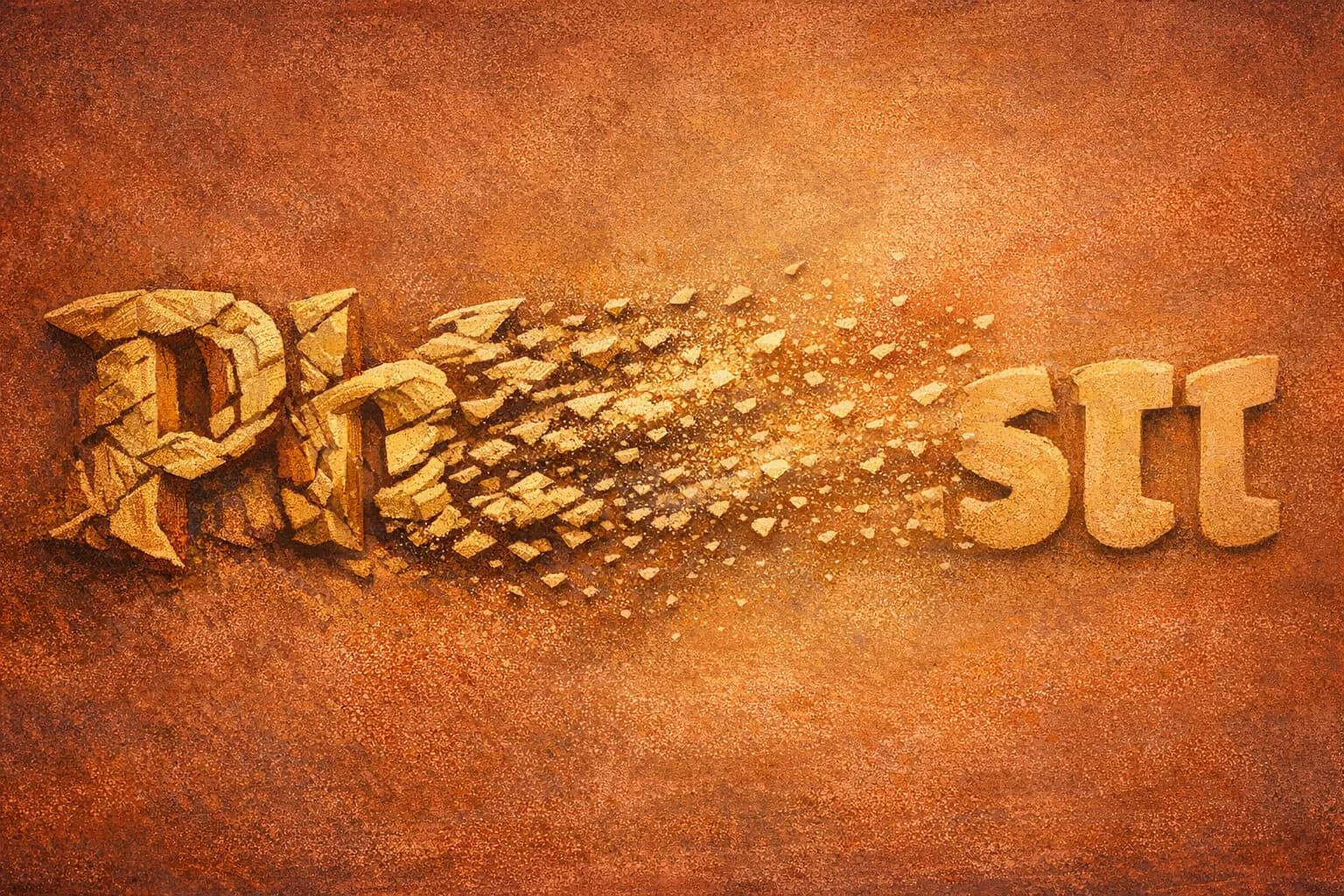
The Friction That Carries Meaning
When AI polishes your writing, it systematically removes the parts that diverge from the training distribution. The deletions are the most interesting part.

Familiarity Beats Cleverness
A custom format designed to save tokens consumed 738% more of them at scale. The lesson isn't about YAML — it's about what happens when you optimize against the grain of the substrate.

Skills as Composable Units
Your expertise has a shape. A de facto standard is emerging for packaging agent capabilities—and it means you can solve problems once and carry them forward forever.

The Taste Artifact
Your codebase is already teaching your AI agents. The question isn't whether you're teaching—it's whether you're teaching what you mean to.

Liberating Trapped Data
You own documents you can't search. Data you can see but can't use. The coherentist move: build the extraction pipeline once and stop paying friction tax forever.
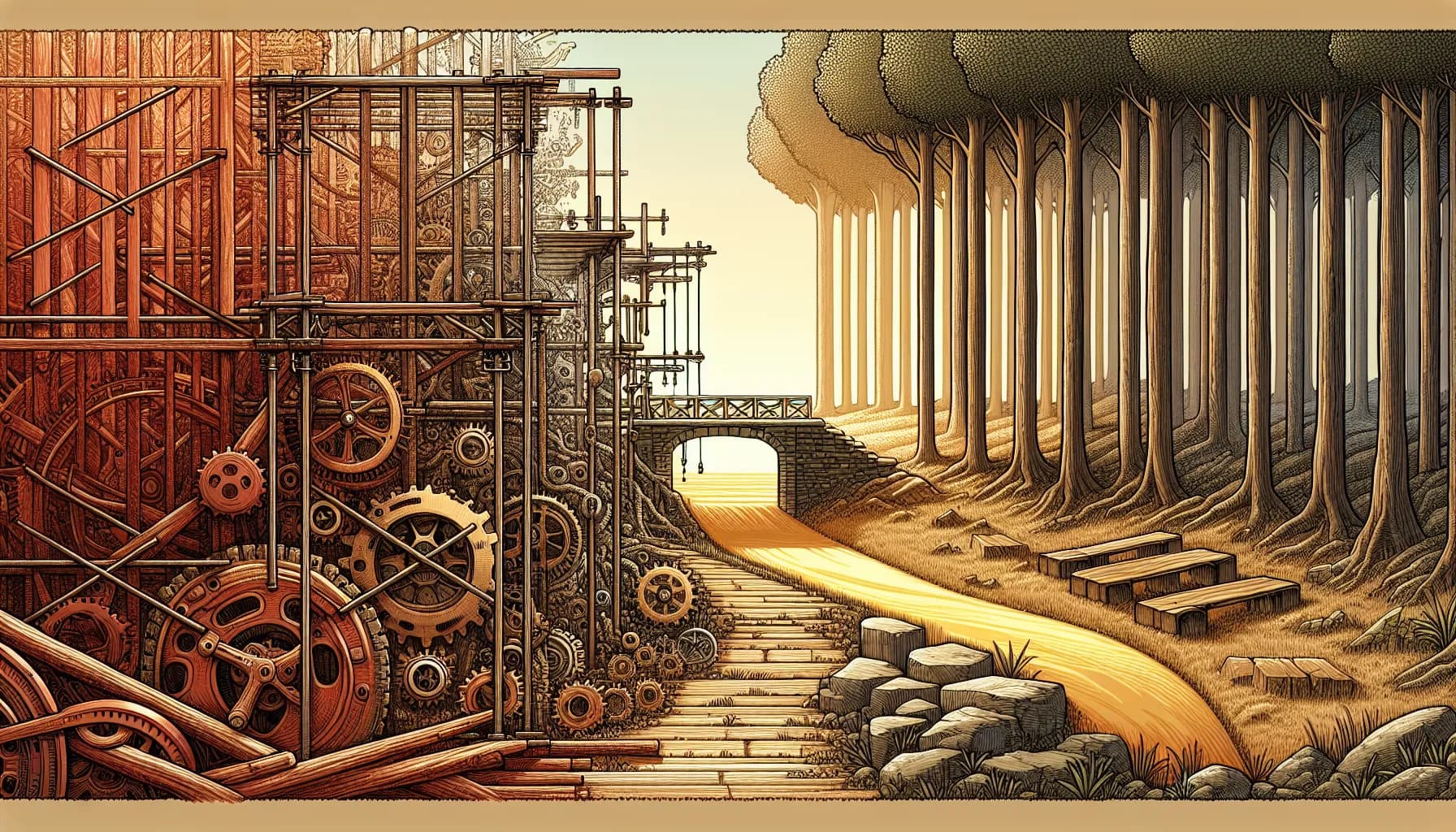
The Usability Inflection Point for Sandboxing
Sandboxing has been possible for decades. Now it's forgettable—and that's when infrastructure starts to matter.

The Transcript as Work Product
The distinction between doing work and documenting work is collapsing. The transcript is the artifact.
The Maintenance Threshold
We rarely ask the question that actually determines survival: What will this cost me to keep running?

The Test Suite That Lets You Move Fast
You know the feeling. You're staring at a function someone wrote three years ago. It works—probably. It's called from fourteen places. The original author left the company. There are no comments, or worse, comments that

The Model That Doesn't Phone Home
Capable AI models now run entirely in your browser. No API keys, no accounts, no vendor dependency. That changes the calculus of what you can build.

Draw the Line Before You Need It: Trust Boundaries in AI Work
Netflix's AI principles define what AI can touch and what stays human. These aren't technical constraints—they're trust boundaries.

When Building Gets Fast, Saying No Gets Harder
AI-assisted development accelerates MVP creation, but speed increases feature creep pressure rather than reducing it. The bottleneck shifts from implementation to focus.

Structure as Signal: When Codebases Talk to Agents
Codebases optimized for human reading miss what agents need most: explicit structure, clear signals, and self-documenting architecture.
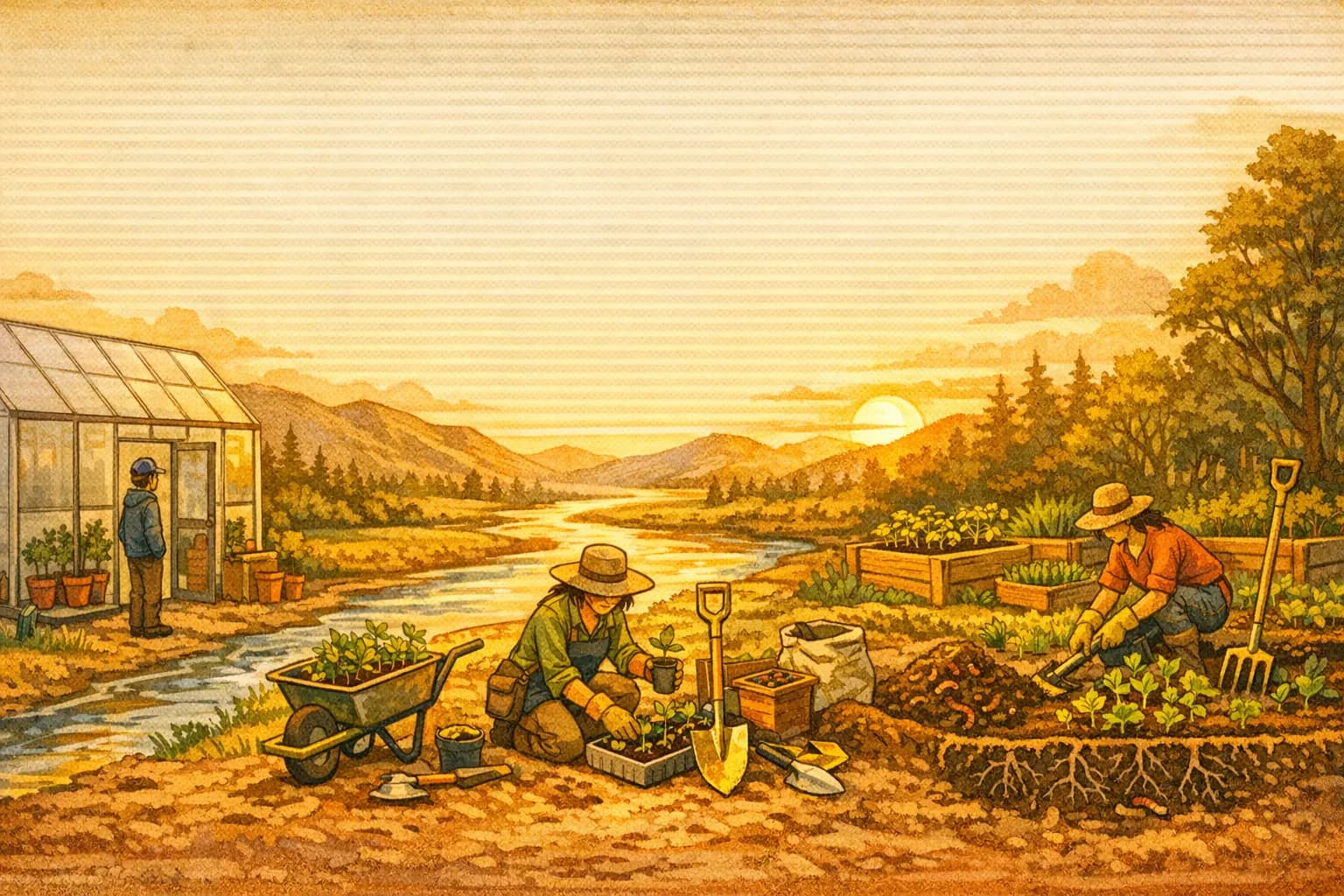
Custody, Not Just Convenience
Managed services promise to handle everything for you. Sometimes the real cost is what you can't see until it's already gone.

The Constraints We Inherit Are Not the Constraints We Face
Modal editing exists because terminals in the 1970s couldn't handle modifier keys. We kept the modes. The terminals are gone.