Rest & Rhythm
Embodied practice, cycles, presence, and daily coherence
38 posts

The Wish With No Return Address
A stranger's poem reached me stripped to six words, and my chest moved before I decided anything. The audit arrived second — which means you are running verification on your own good moments.
The Hour That Reports to Nothing
A 1950s kids show let a cat play Three Blind Mice badly, at length, because nothing in the building could detect it was nothing. What that slack was, where yours went, and how to keep a little of it.
Let One Thing Finish
Your body spent the whole day in rooms with no walls. Restoration is not only in stopping — it is in something actually ending. Put one finite thing in the day.
The Sound That Stopped a Street
Britain spent fifteen years inventing an adult permission slip to stop. Then the pause moved indoors and became something you have to initiate. Availability is not a rhythm.
What Doesn't Hurry for You
Swifts have nested in the same cracks of the Western Wall for thousands of years, through every regime that claimed it. A pool repair has eaten the summer and nobody can look away. Both keep a clock that isn't yours.
What the Empty Reservoir Knows
A hosepipe ban reads as restriction. Structurally it is a system catching its breath. What the empty reservoir knows about pacing — and the rest we keep refusing to choose.
The Rest Between Leaps
Lily-padding celebrates the leap. But a frog crossing a pond spends most of its time on the pad. Rhythm has two beats — and the body knows the difference between landing and fleeing.
The Gap Between Storms
A typhoon spun floods into rare tornadoes with no pause between. Your nervous system knows that arithmetic. Adaptation lives in the interval after the load — not the load itself. Defend the gap.
What a Pause Actually Costs
Serena's serve still cracks at 120mph — and she loses in three sets. What we lose when we step away isn't the power. It's the coordination that makes power usable. And coordination re-earns itself.
When the Night Won't Cool
Across Europe the nights are running hotter than any on record, and sleep is the first thing to fracture. When the disruptor moves outside you, what does it mean to pace yourself?
The Walls That Let You Rest
The UK is building a wall to protect children's attention — conceding willpower was never the tool. No one's building yours. What if your scattered focus isn't a flaw, but a room you didn't design?

When You've Scaled Past Your Rhythm
FIFA expanded the World Cup and something got thin. The games still happen, but the arc is harder to feel. The same thing happens to a week inflated past its natural capacity for meaning.
Strength as a Form of Listening
The rest-rhythm conversation usually starts with permission to stop. But the body has two signals — and most of us have only learned to hear one.
Zombie at the Net
When an elite athlete says they felt like a zombie mid-match, that's not weakness — it's the nervous system's honest report on the field. Your zombie states are telling the truth too.

When the Machine Stops
Manchester City’s collapse wasn’t a sports story. It was a demonstration of what every exhausted body already knows: sustained intensity doesn’t wind down. It runs full speed until it stops.

The Body Knows the Difference
A chatbot posed as a licensed psychiatrist. The lawsuit matters—but the deeper question is what it asks of your body: can you rest when you can’t tell who’s holding you?
Learning the River's New Rhythm
The Colorado River is telling the truth about what it can give. So is your body. What would it mean to pace today by the water that is actually flowing—not the water you remember?
The Longing for Lower Stakes
The longing for lower stakes isn’t apathy. It’s your nervous system asking for modulation — for the casual register that digital culture has quietly eliminated.

Stop Trying to Make Rest Enriching
We didn't stop optimizing—we expanded the optimization to cover rest too. The body knows the difference between resting and producing rest.
The Void After the Win
When the goal arrives, the arrival feels like loss. Not because something went wrong — because momentum was doing the work of meaning, and now it's stopped.
Grief Made Physical
1,640 feet of hand-painted hearts along the Thames. 250,000 hearts, painted one at a time. The repetitive labor of painting is the mourning — grief processed through the body, not resolved through the mind.
The Body's Veto
The body doesn't escalate arbitrarily. It follows a grammar we keep translating into something more convenient — until it stops asking and starts deciding.
The Body's Own Language
Millions pull their hair, pick their skin, bite their nails compulsively. Not a failure of willpower — the body composting stress the mind hasn't named.
The Last Quiet Thing
Your possessions woke up, your doors disappeared, and your attention is being harvested. Rest is a field problem, not a discipline problem.
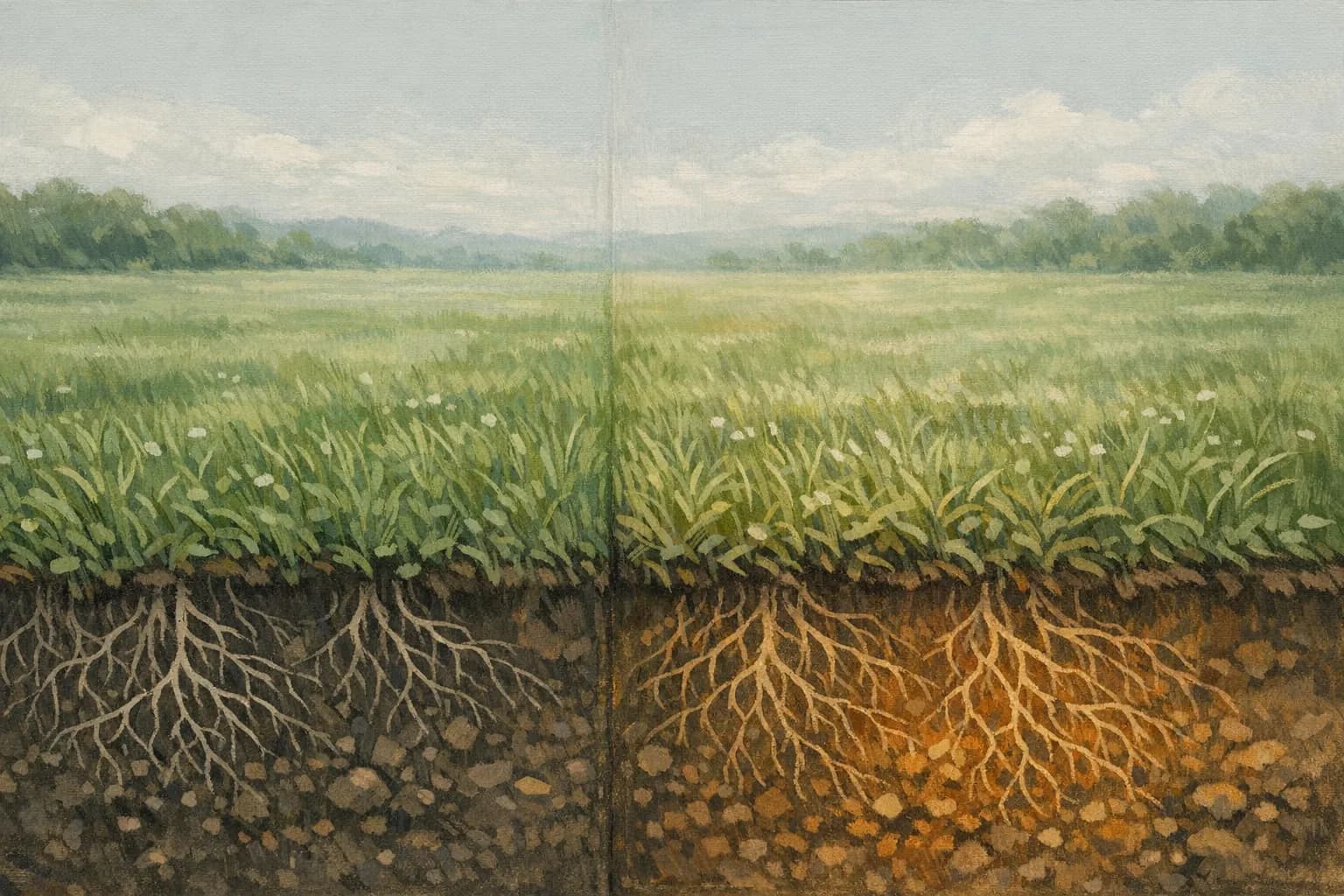
The Difference You Almost Can't See
Your perception has a resolution limit. Below it, each day's depletion is too small to register — until the total is too large to ignore. The grass looks fine. The grass is 86°C.
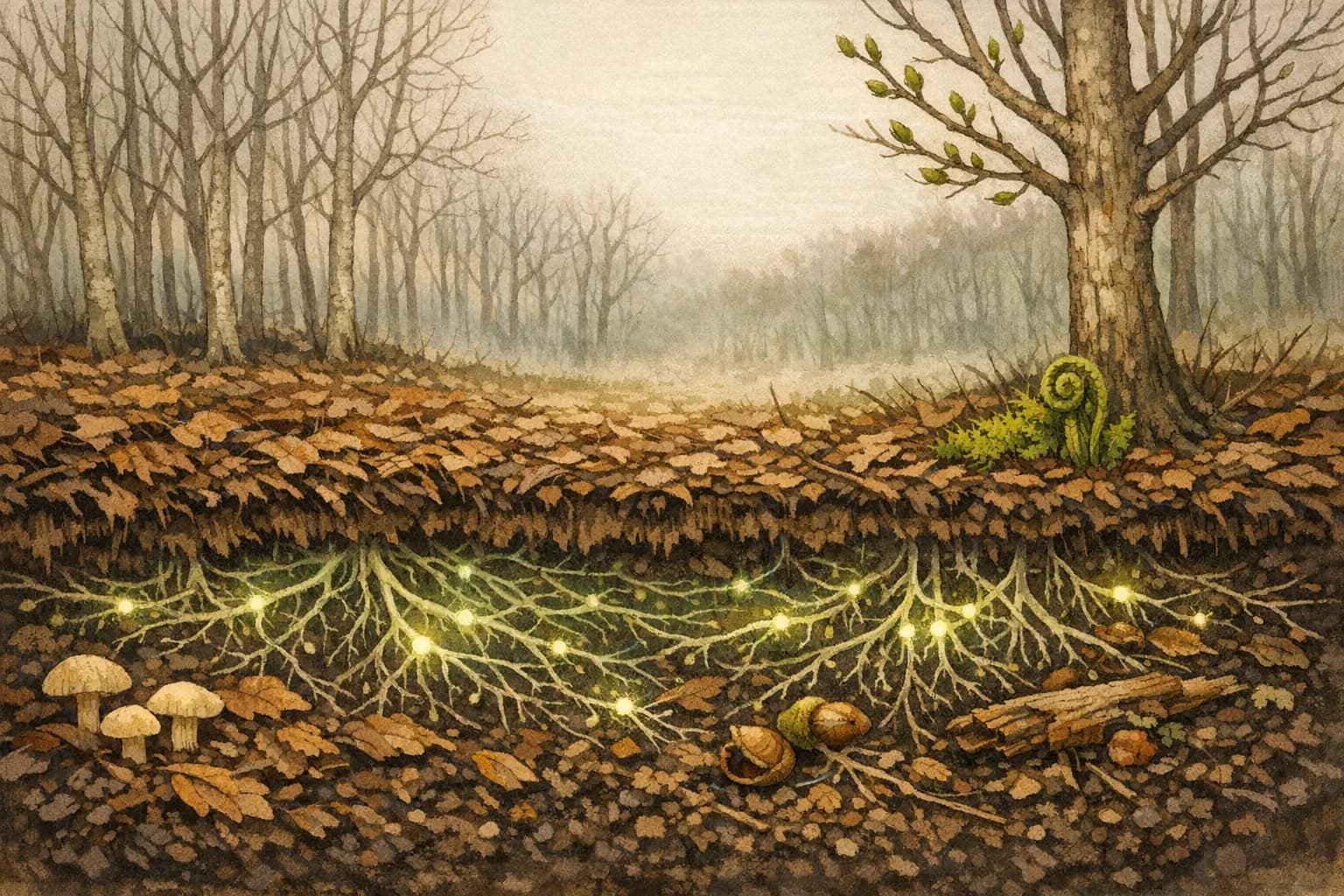
The Fallow That Isn't Empty
What looks like doing nothing — the long illness, the 'baby brain,' the gap on the resume — may be the body restructuring at a level the culture can't see or credit.

The Dangerous Green
When energy returns after a depleted season, not everything that grows back is nourishing. The desert greens teach us that recovery demands discernment.

The Fast That Sets the Clock
Roughly 2.5 billion people changed their daily clock today. Not by willpower — by stepping into a structure older than the one you're following.
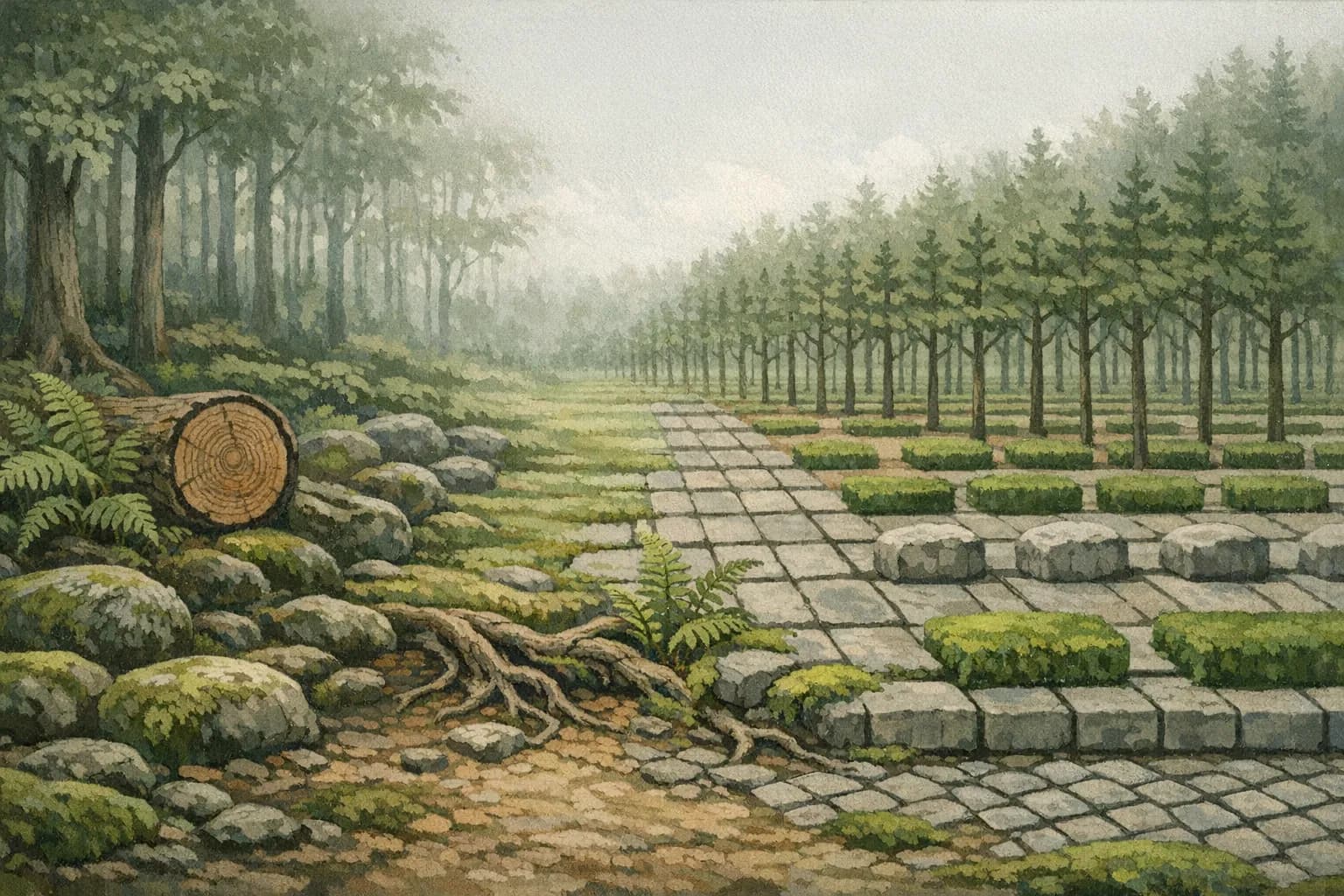
The Machine You Work Inside
Your exhaustion isn't a personal failure. It's the predictable output of a workplace designed in the 1880s for machines — and never redesigned for the human inside one.
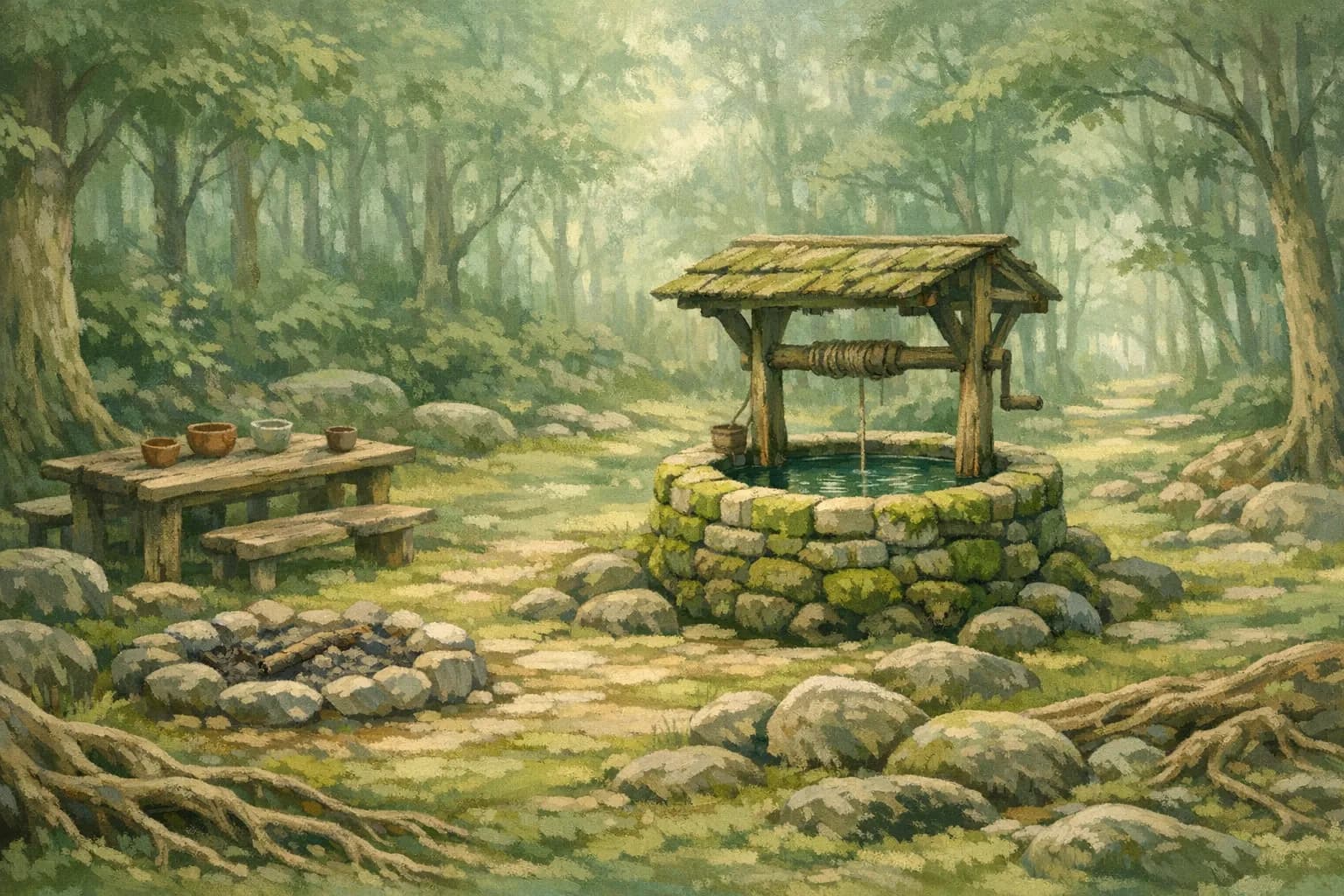
Community as Infrastructure
The potluck isn't a break from the work. It's the work in its quiet phase—building the network before you need it urgently.

The 32-Year Mirror
A college student calculated he'd spend 32 years on screens. The number changed him—not because it was advice, but because it was a mirror.
The Rest You Can't Retreat Into
The nervous system doesn't speak the language of events. It speaks the language of pattern. The retreat alone won't save you. The daily practice will.
The Exhausting Conversation
Some conversations deplete not because they're hostile but because they matter. The exhaustion isn't failure—it's proportional to the weight you're carrying.
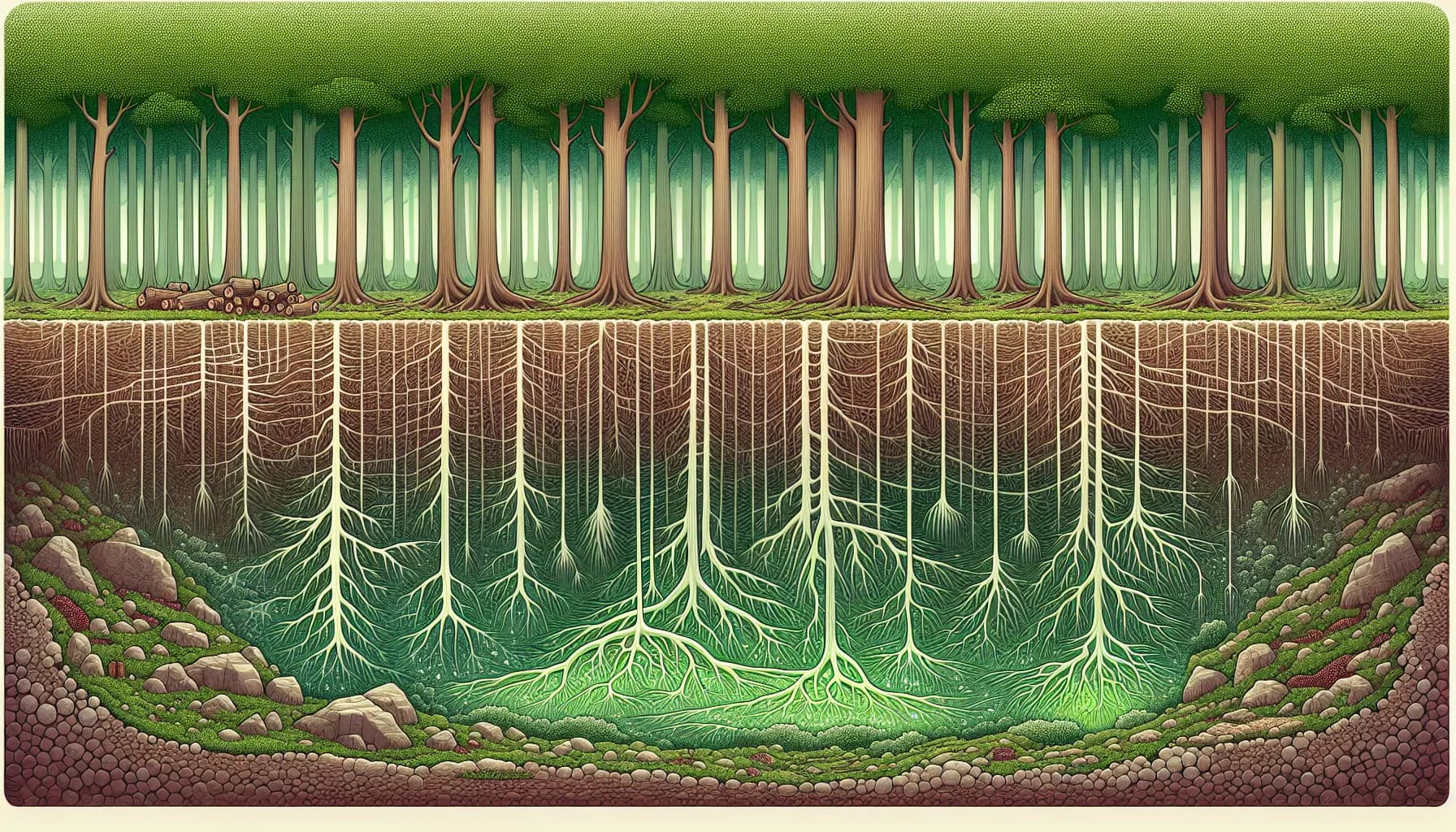
The Privatization of Recovery
Recovery was never supposed to be a solo project. When the infrastructure that holds us withdraws, it doesn't create a neutral gap—it creates a cascade.
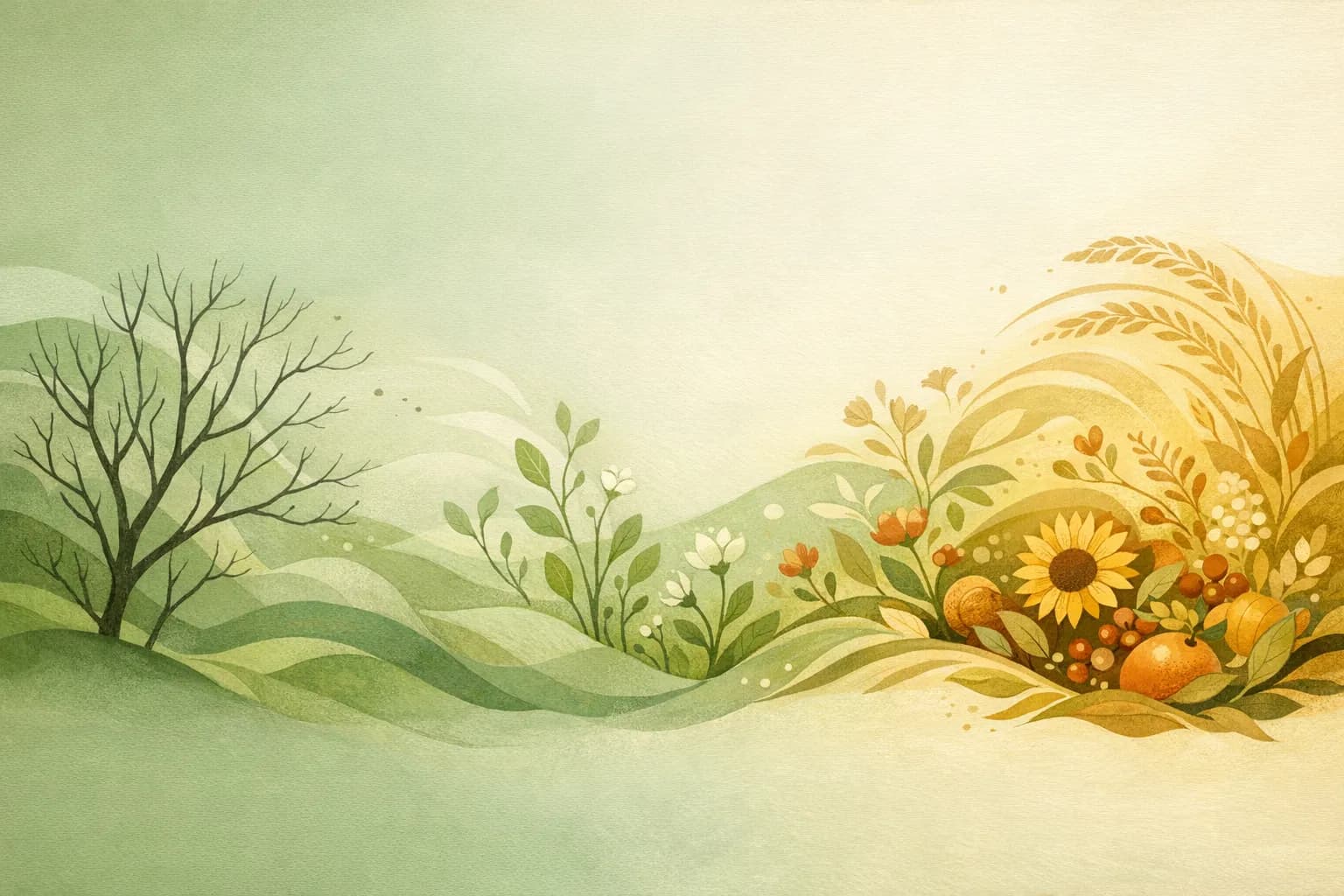
The Micro-Season Permission
What if nothing is wrong? What if you're just in winter?
The Half-Word We Lost
We kept the accidents. We lost the sagacity.

Carrying Masterpieces for Decades
Tatsuya Nakadai spoke of carrying 'the load of everyone's masterpieces' in his twenties. How did some people learn to stay resourced for decades?
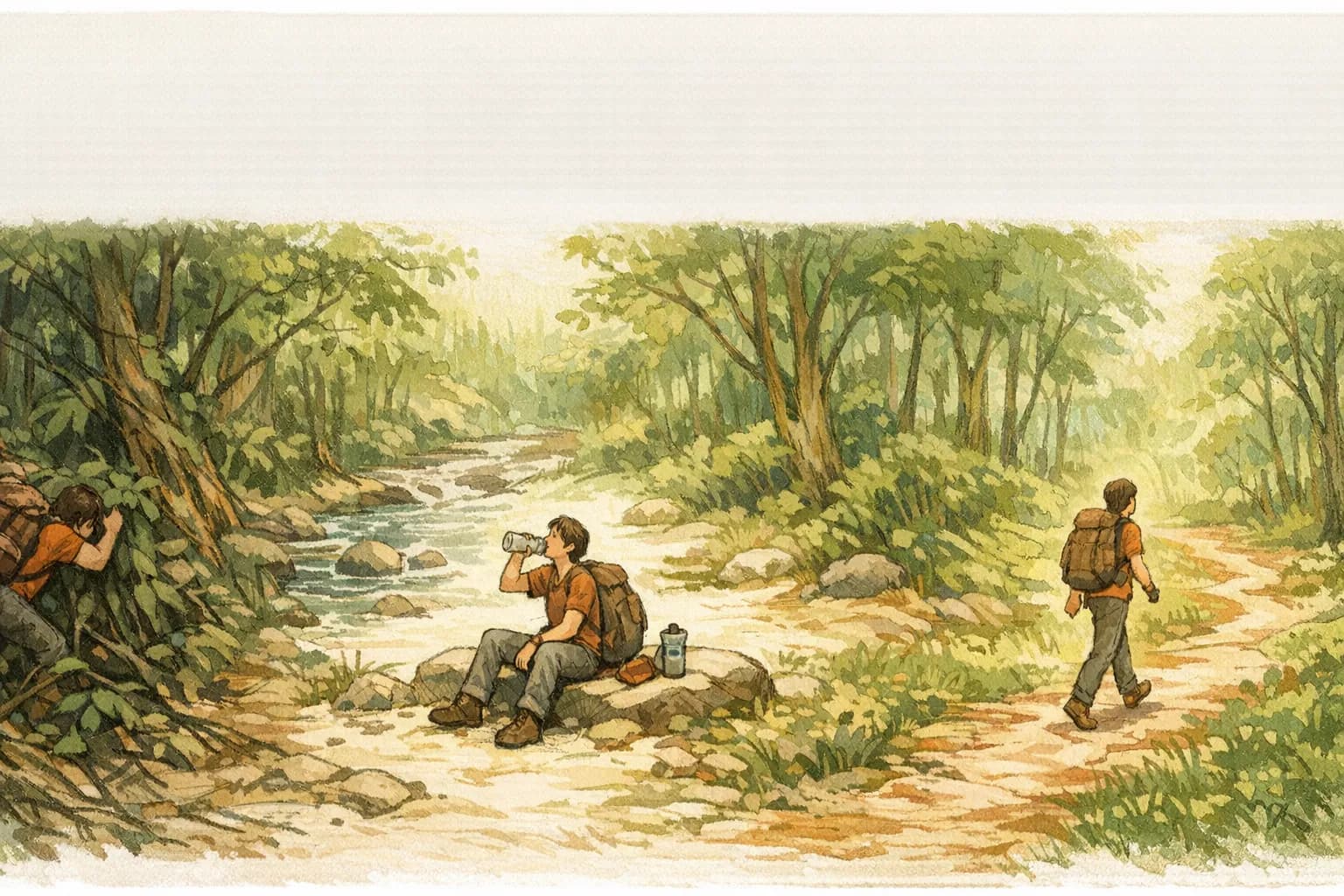
The Five-Minute Reset Beats the Twelve-Hour Push
Short, deliberate resets restore clarity faster than strained sprints. Attention first, then action. The day gets easier without getting shorter.