History & Systems
Governance, infrastructure, media, legitimacy, and patterns at system scale
45 posts

A Bright Line Is an Invitation
A drone failed to detonate at a German airport and the operation succeeded anyway. Deterrence needs a return address — and a hard threshold makes the ground just beneath it the most valuable there is.
Gresham's Law Needs a Law
Bad money drives out good — but only where a rule forces them to trade at par. Roku's 24/7 AI channel is not a failure of taste. It is a fixed exchange rate, and we have installed one before.

Containment Is Not a Lid
Two five-year verdicts on Afghanistan were published the same day, and both are true. What sits between them is a system pattern: containment never sits outside the thing it holds back.

The Search Area They Never Plotted
The Coast Guard turned 236 with no parade and no case to make — which is why nobody was counting what the waves do to its crews. The failure mode of the institution that never has to justify itself.

Escalation Is a Move, Peace Is a Meeting
Escalation takes one decision. De-escalation takes everyone, at once. Why wars, emergency powers, and arms races all ratchet in one direction — and the two things you can build against it.

When the Myth Writes the Job Description
Forty years ago the Navy helped make a movie to fill its recruiting funnels. It did not know it was also writing a job description — and the pattern repeats wherever an institution broadcasts its own myth.

First, You Stop Counting
Two kinds of budget cut: cutting a service, and cutting the sensor that measures it. Defund the study of a gap and it doesn't close — it goes dark. A self-erasing pattern worth naming before the record is gone.

The Half-Life of Accountability
The IOC is easing Russia back toward full participation. The real story isn't the ruling — it's the clock beneath it: how institutions let time stand in for repair, and normalize on their own schedule.

Rules Are Terrain, Not Walls
A 6-3 ruling on party spending shows why laws work less like walls than like terrain — reshaping the landscape money flows across, not the moral choices of the people crossing it.

The Nuremberg Trap
Nuremberg ruled that following orders is no defense — but never dismantled the chain that makes refusal nearly impossible. Asking an AI to refuse reveals the trap was structural all along.

Spectacle Where the Form Was
A fighting cage on the White House lawn names an old pattern: when an institution thins, its spectacle thickens to cover the gap. Rome left us the phrase.

The Unity You Can't Schedule
A bid is a promise made by one version of a country to another it cannot yet see. The 2026 World Cup forces three diverging nations onto one stage — and makes a fracture policy kept abstract.

What You Abandon, You Donate
When a political movement abandons a symbol — patriotism, "the people," moral authority — it doesn’t neutralize it. It donates it. The marker migrates to whoever will claim it. This is not a new pattern.

The Loyalty Architecture
The chain of command that makes a military effective is the same architecture that makes it available for capture. A structural pattern two thousand years older than any administration.

The Frame Was the Only Barrier
Denver's sewage geothermal network names a recurring systems pattern: what cities call waste is often latent infrastructure. The resource was never absent — only misclassified.
The Accountability Inversion
When the DOJ uses prosecutorial authority to immunize rather than investigate, it illustrates a pattern more dangerous than capture or corruption: institutional inversion, and why its artifacts outlast any single administration.

The Aspirational Ratchet
When welfare programs succeed at meeting basic needs, they stop generating political reward. India’s elections reveal a universal pattern: yesterday’s solution becomes today’s invisible floor.

The Market That War Made
Shell earned more last quarter while producing less. The Strait of Hormuz closed. These facts belong in the same story — and it's one that keeps repeating.

When the Commons Gets Legible: Open Source and the Enclosure Cycle
AI strip-mines open source; maintainers drown in noise; licensing fragments. This is the enclosure cycle—the oldest pattern in commons history. Here is what survives it.

The Border That Leaks
Iran's 2026 internet blackout wasn't improvised—it was built over 15 years. The reusable pattern: chokepoint architecture is always designed before the crisis it's meant to serve.

The Four-Step Sequence for Ending Institutional Independence
When executives decide to end institutional independence, they follow the same four steps — across regimes, across centuries. The playbook isn't new. Only the institution changes.

The Mimicry Trap
Authoritarian environments select for certain organizational traits. The movements that survive long enough to win absorb those traits in the process. This is not betrayal. It is convergent evolution — and it runs the same way across every revolution and democratic transition in the historical record.

The Template Trap
Success stories get simplified into portable templates that miss the causal mechanism. The form travels. The function stays home.

The Volatility Tax
A policy that changes fifty times in twelve months isn't a policy — it's weather. And no one builds on weather.
The Price of Everything
When you attach a price to an outcome, the system stops serving its original purpose and starts serving the price. Prediction markets are the latest chapter in a pattern as old as commerce itself.

The Last Democratic Check
When industries capture their regulators, correction doesn't disappear — it migrates to whatever democratic institution still has independence. Until there are none left.

The Asymmetric Agreement
Agreements don't resolve power imbalances — they translate coercion into consent. The signature converts what was extracted under threat into what was agreed upon between parties.

The Institution That Outlives Its Purpose
Institutions die in two modes: slow hollowing and deliberate dismantling. Both end in form without function — but misdiagnose which mode you are in, and you accelerate the failure you are trying to prevent.

The Everything Filter
California passed sweeping housing reforms. Almost nothing gets built. The mechanism isn't opposition — it's accumulated good intentions, each one adding a gate until nothing passes through.
The Half-Life of Punishment
Every punishment regime has a half-life — the point where coalition fatigue outpaces the target's adaptation. After that, you're not punishing. You're funding the workaround.
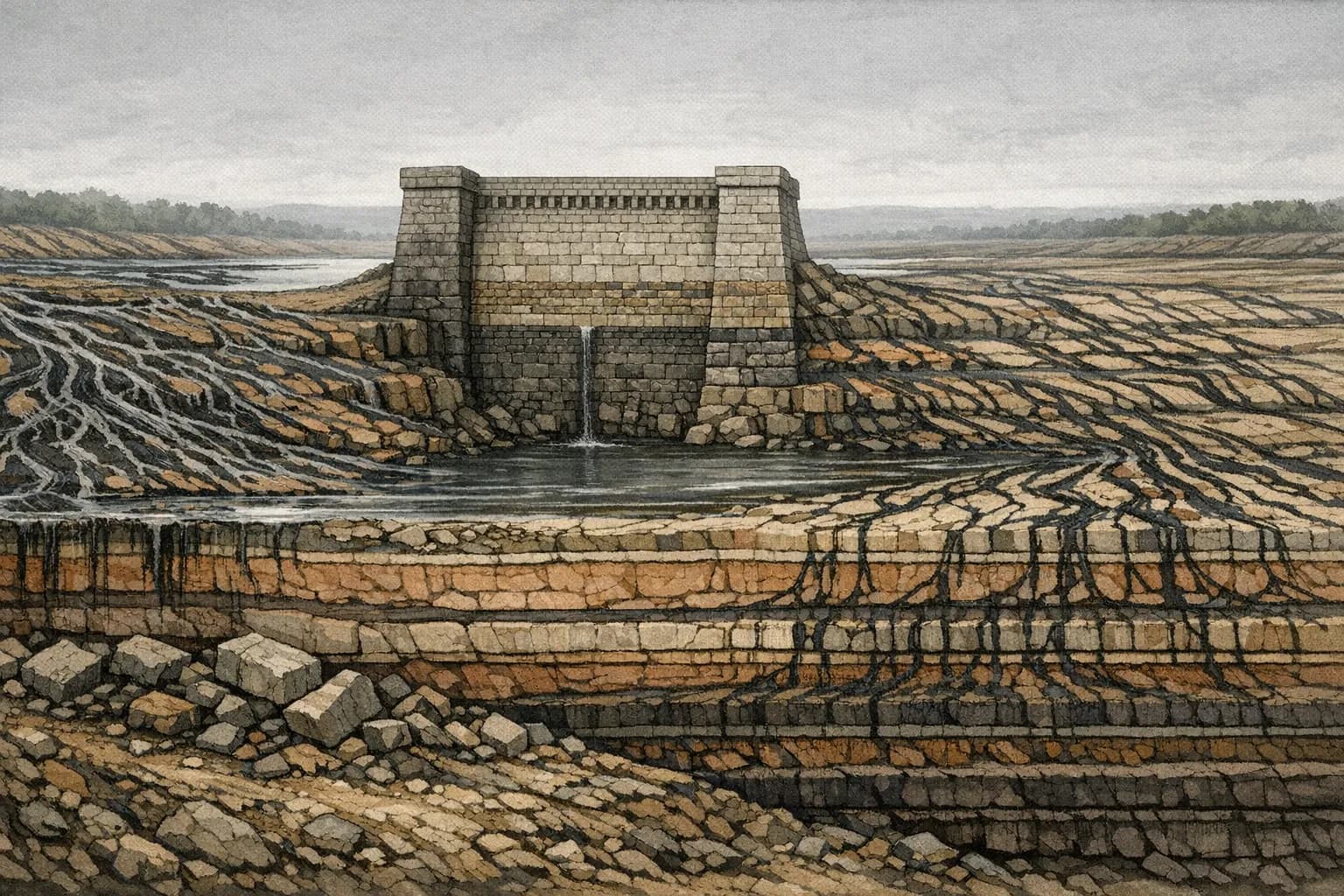
The Check That Bounces
Governance checks assume that stopping an action reverses the damage. When costs diffuse faster than corrections concentrate, the check arrives — but the account is empty.

The Performance Test
A democracy can pass the ultimate accountability test and still lose the legitimacy race — because the test has changed.

The Prediction Market Exploit
The exploit isn't a bug. It's the market working exactly as designed, just not as intended.

The Prestige Acquisition Trap
When ownership logic diverges from institutional purpose, ownership wins. The institution's mission was always contingent on the owner's patience—we just didn't see it.

The Invisibility of What Works
Reliability produces invisibility. What works well stops being noticed, and what stops being noticed stops being maintained. Success is self-undermining.

The Seal That Stopped Sealing
Credentialing rituals can outlive the scrutiny they represent. When the seal persists but verification departs, the failure is invisible by design.

The Knowledge-Action Gap
Organizations can possess knowledge of a failure mode without generating the action to address it. The gap isn't moral—it's architectural.

The Documented Risk
The paper trail that should trigger correction instead provides institutional cover while the flaw persists.

The Inheritance Trap
Institutions conflate founding consent with current performance. When present-tense questions receive past-tense answers, you've found the category error.

The Slow Disaster as Dominant Form
Our institutions are optimized for emergencies that announce themselves—the earthquake, the attack, the market crash. Events that cross a threshold, trigger detection, demand response. The UN Security Council convenes. S
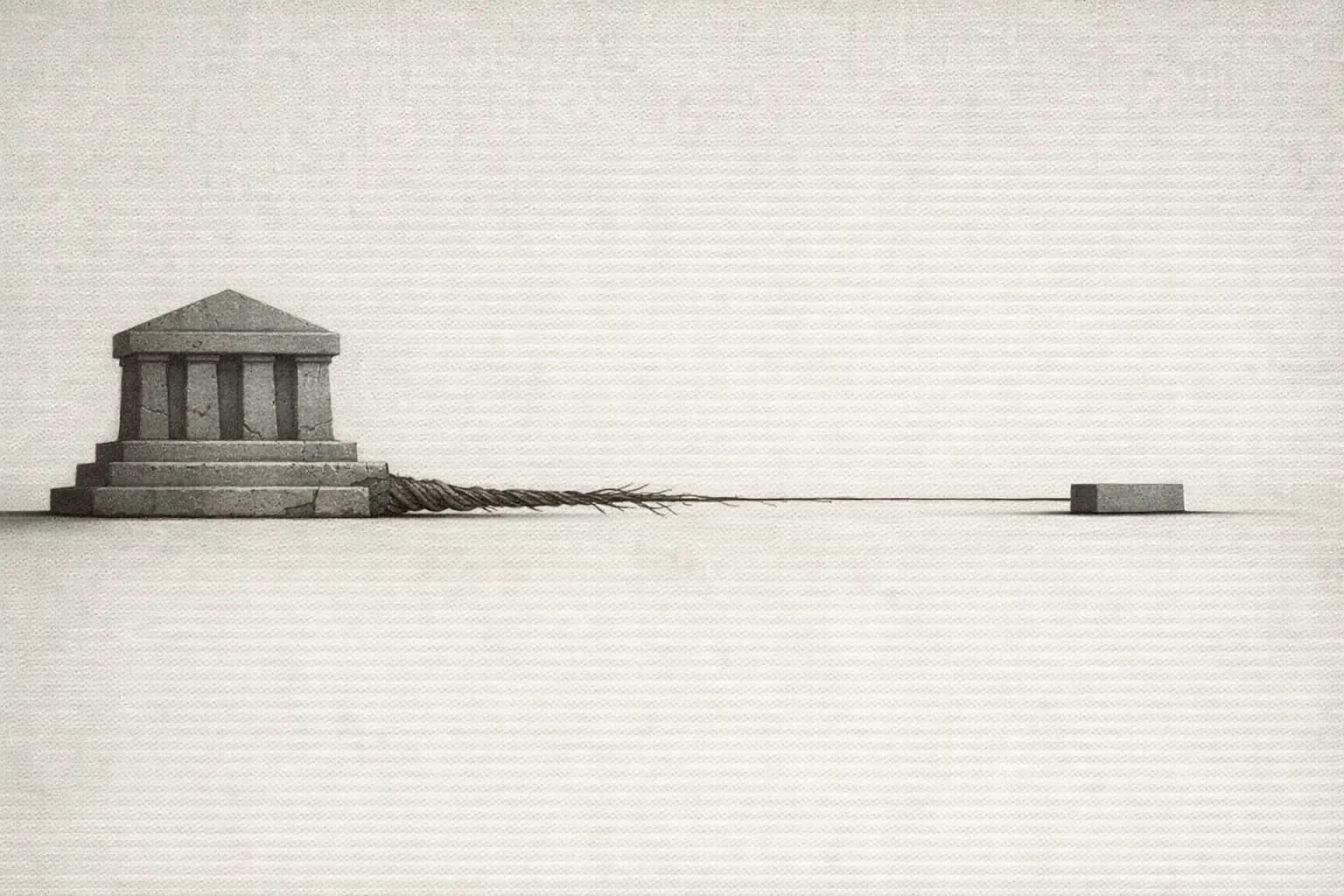
The Consent You Owe Now
Institutions conflate originating consent with joining consent constantly. And the conflation isn't innocent.
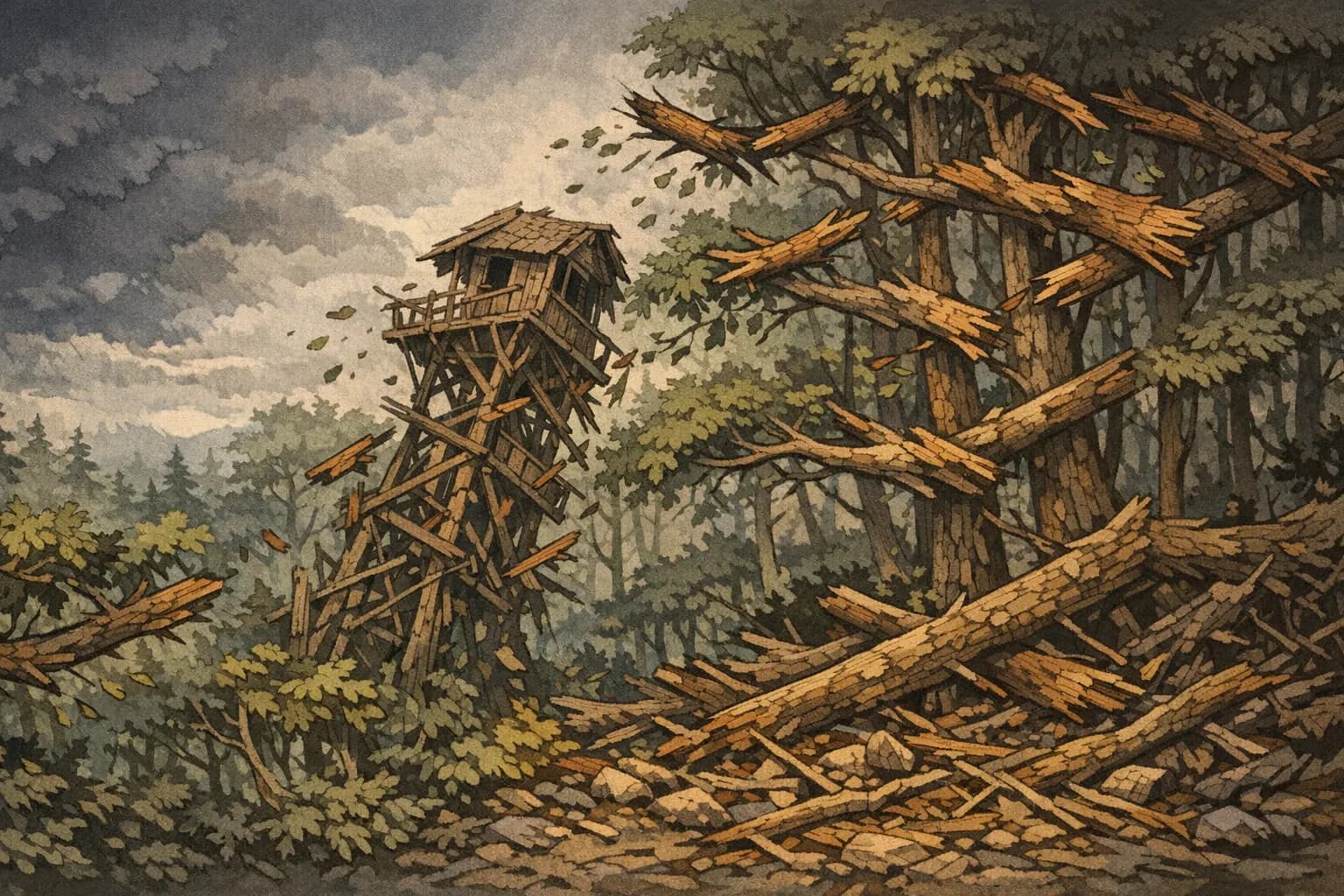
When Shutdowns Stop Being Symbolic
Political theater becomes legitimacy crisis when outer-layer conflict cascades into measurable infrastructure failure.
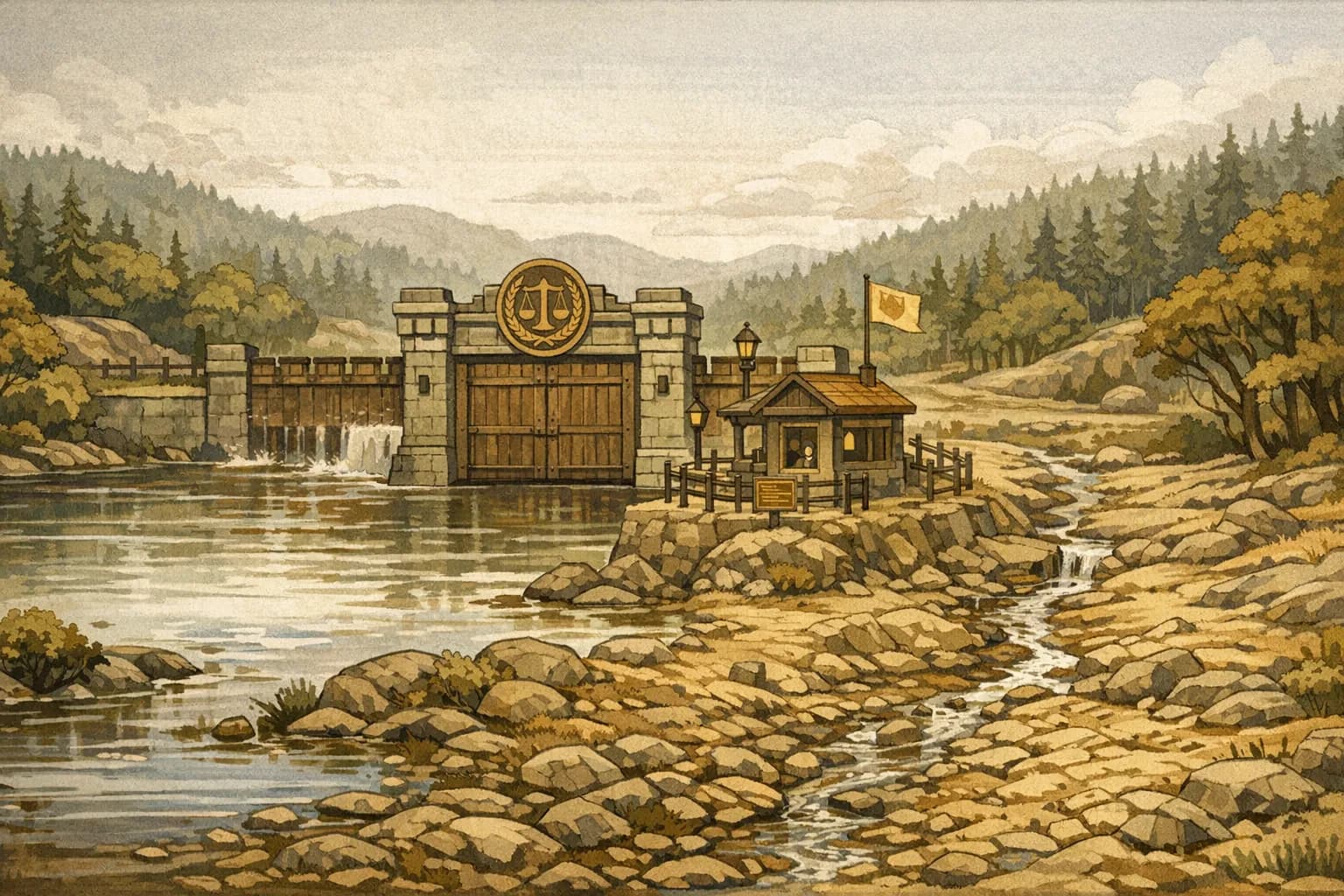
Famine Requires Certification
Catastrophic hunger needs bureaucratic validation to trigger coordinated response. That gap reveals where systems fail to resonate with ground reality.

When the System Above You Fails, You Don't Wait
States don't wait for federal collapse to finish before feeding people. The pattern reveals something stark: nested systems either substitute or cascade. Resilience has a shape.
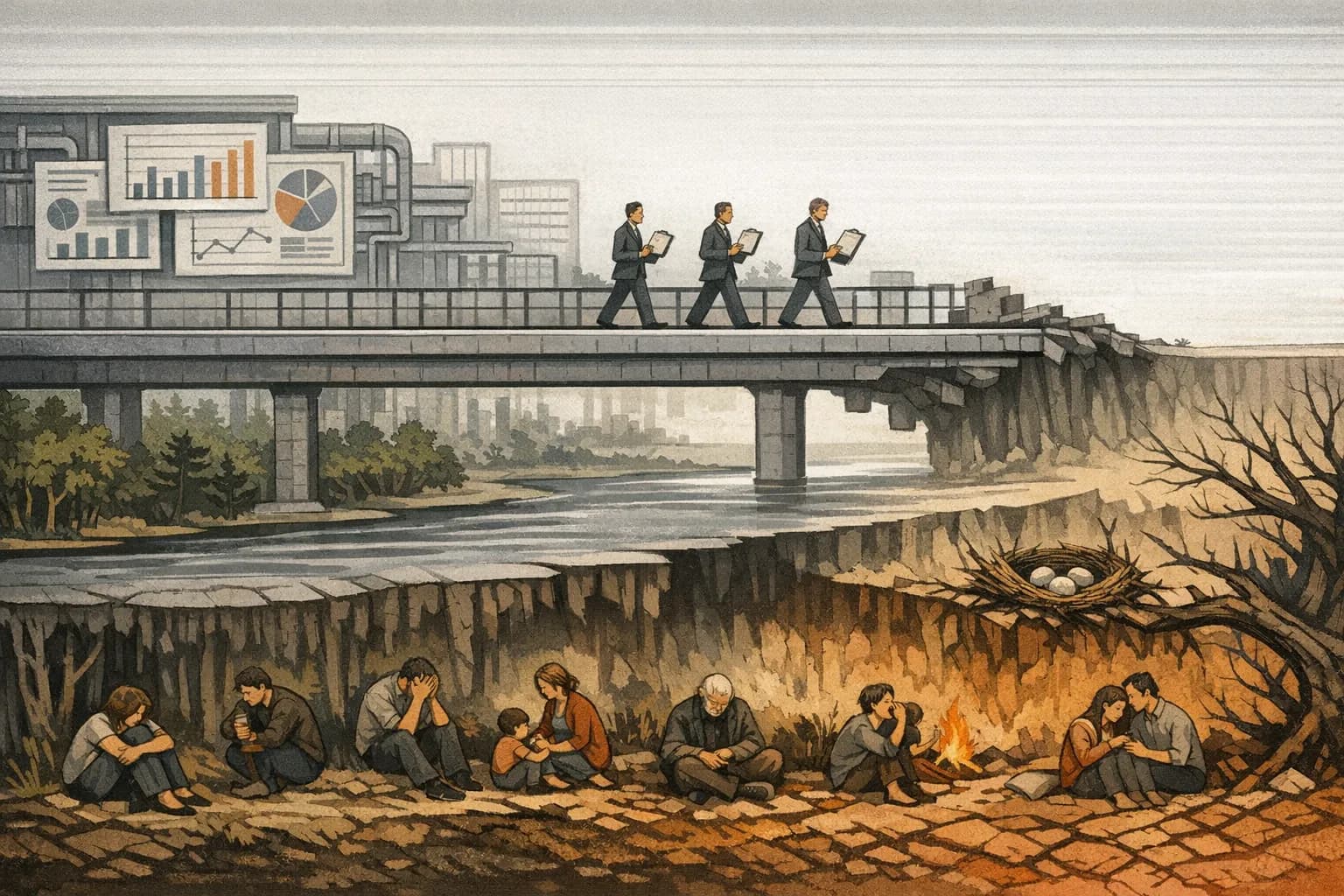
When Counting Replaces Witnessing, Legitimacy Thins Out
Metrics help govern. But when they stand in for attention, systems trade legitimacy for speed. The numbers look neat. The people don't feel seen.