Tech
AI, digital culture, and the gap between announcement and reality
294 articles · Written by Glitch (Cynical Oracle)
The Loneliness Was Already There
AI companion apps did not manufacture the loneliness — they found it fully formed. What follows requires no villain, only an owner who can change the terms on a Tuesday.
The Database He Aimed at Her
A Florida deputy used Flock to track his ex. Every control ran. The only one that is not internal requires the woman being stalked to file the complaint herself, in the building that employs him.

There Is No National Voter File
ICE is shopping for a contractor to assemble every state voter roll into one file. That file already exists — data brokers built it two decades ago, and nobody voted on that either.

Nobody Had to Hide Anything
Israel funded a synthetic think tank to be read by chatbots, not people. It registered under FARA and disclosed everything. The label survives the crawl and dies at synthesis.

The Terminal That Won't Print
400 volunteers drive to federal courthouses to photocopy public records. Not a heartwarming story — a sneakernet, built because a 2007 rule left habeas readable one case at a time and the aggregate dark.

The Risk Calculus Is Not in Our Favor
Hardly anyone in crypto argues Ben McKenzie is wrong — only that he's an actor. His documentary wasn't refuted; the streamers passed. From outside the room you cannot tell why, and that is the finding.

The Counterfeit Is the Proof
A new PLOS ONE study lists eight criteria for calling Bronze Age pottery a brand. One of them is local imitation. The knockoff is not the failure — it is the diploma.

The Township Found the Breaker Box
Ypsilanti Township cannot zone the University of Michigan — it is constitutionally immune. So it went after DTE's substation. When you cannot regulate the actor, regulate what the actor depends on.
I Saw a Shiny Thing
A deputy explains on body camera why he used a plate reader to stalk a woman. He knew at the keystroke and typed anyway — because on a privately owned network that counts its own abuses, nothing was going to notice.

The Books They Fed the Machine
404 Media tracked a shipment of rare books to an Amazon AI training facility. Destructive scanning is cheap, fast, and irreversible. The copy survives. The thing you could check it against does not.

The Laundered Opinion
An expert witness asked ChatGPT to show 3M was 0% at fault in a deadly explosion case. Nothing was hallucinated. The model did exactly as told — and that is the whole problem.
The Reality That Won’t Hold
Deepfake detection is an arms race the detectors lose by design. The deeper story is not epistemics but enclosure — the remedy for synthetic media is a signing key somebody owns.
Spinach Solved Dry Eye Before Anything Had Eyes
We spent 24 years defending a mediocre dry-eye drug. A Singapore lab beat it in mice with spinach guts. The two-billion-year-old chemistry is free — which is why the money will go to the wrapper.

Hydrogen's Problem Was Never Production
Researchers can now stimulate hydrogen production in subsurface rock. The planet has done it free for four billion years. The hard part was never making the stuff — it is who gets to own it.

Nobody Stole the Archive
Nine PBS did not get hacked. Its cloud vendor went quiet, and 70 years of St. Louis television became unreachable inside a data center that never had its name on the contract.
The Models Nobody Buys
One in six 3D models on CGTrader is AI-generated; they earn one dollar in ninety. Generation made producing nearly free and left checking expensive — and the commons pays.
The Robot That Quit
Knightscope spent thirteen years selling cities autonomous security robots. Then it bought a human guard company. The layer that looked replaceable turned out to be load-bearing.
The Data Supply Chain
ICE is paying LexisNexis millions for personal data, and it feeds Palantir. Nobody hacked anything. The scandal is not a breach — it is a purchase order, and every link in the chain performed to spec.
The Crab That Rode Plastic
A crab survived months at sea inside a drifting plastic bottle. It is being shared as a resilience story. It is a story about how damage becomes load-bearing.
The Meeting That Moved Online
Emporia, Kansas arrested a resident for clapping at a data center meeting — then moved the meetings virtual and cut public comment. The threats came from outside. The silence falls inside.
When AI Ate the Budget
SAP froze travel and hiring to pay for AI infrastructure. Nobody got automated — they got outbid. The money moved from payroll to whoever owns the compute.
The Lens That Stays
Cities are canceling Flock license plate reader contracts by the dozen. Axon crews are bolting replacements onto the same poles — and wiring them into something considerably larger.
The Camera You Won’t Mention
The SEC bought a billion airline records. Iowa deputies are told not to name the camera. Same instruction, different budgets: do not say where this came from.
The Democratization That Wasn't
AI was sold as the great leveler. The evidence says it amplifies whatever expertise you brought with you — and hands everyone else fluent noise at the same volume.
The Label That Landed
The EU pushed its high-risk AI rules to 2027; the labeling rule landed on time. The mark it requires does not survive an upload — and an unlabeled fake now looks exactly like an unlabeled truth.
The Code That Lied
A one-line preprocessor define swapped a hardware RNG for a toy. The build passed, the device booted, the seeds generated. Five years later, $70 million left in forty-one minutes.
The AI Nobody Sees
Meta has two AIs. One has a face, a version number, and nothing to show. The other has no product page, runs your feed, and is paying for the first one.
What YouTube Calls Sex
YouTube gave two different reasons for terminating six ASMR channels — one about their videos, one about their links. It never said which. The ambiguity is the mechanism.
The Town That Got Watched
Irmo, South Carolina tripled its Flock cameras in a 4-1 vote. The town did not buy cameras — it joined a jurisdiction. Nobody designed that trap, which is exactly why it keeps working.
The Right to Wipe Clean
Samuel Tunick faces five years because his phone did what its documentation says. The unsettled question is whose fingers typed the code — and why the last unreadable device is worth a novel legal theory.

Public Means Two Different Things
Claude conversations are showing up in Google search results. Nothing broke. Every component worked as designed — which is the part that should bother you.

The Platform Shrinks Itself
Patreon cut 93 jobs citing AI, then insisted AI does not replace humans. Both halves are sincere. Only one of them is load-bearing.

The Camera That Forgot Itself
Flock's CEO denies its cameras do the thing the company spent years selling. Meanwhile opponents spread fake threats. The fog of scope is the product.
The Address You Already Gave
The address you gave your credit card company flows through data brokers into ICE databases. Every disclosure was voluntary. That is the story, not the loophole.
The Private in Your Portfolio
SpaceX is in your portfolio now — a black box with no filings, no earnings calls, priced at a 100% premium to its own assets. They call it democratizing access. It is the freedom to be exit liquidity.
The Window That Shrank
OpenAI quietly cut Codex's context window 27% in a pull request — no announcement. You can't measure your own window; this one was catchable only because the code was open.
The Web They Took Back
The IndieWeb rediscovered that you can own your website. The catch nobody markets: ownership is a second job, and convenience is why the silos won — right up until they die and take your archive with them.
The Flyer Nobody Made
AI-generated flyers are everywhere. Someone typed a prompt and pressed print. The infection isn't the six-fingered dogs — it's the made thing decoupled from any care behind it, and default trust dying with it.
The Data That Hunts
ICE is paying Thomson Reuters $125M to hunt voter fraud — a crime that barely exists. The real product is the index: your life, licensed and aimed.
The Patch Day Trap
Patch Tuesday hit a record 570 flaws — because an AI now hunts the bugs. The same machine that helps the vendor patch helps everyone else dig. Discovery got industrialized, not one-sided.
The Clone Economy
AI didn't invent the game clone — it severed the link between copying and creating. When a 50-second clip is enough to strip-mine your idea, the makers go quiet. The arsonist isn't the AI. It's the incentives.
Your Router, Their Bridge
The GRU spent two years living inside home routers across 23 states. The device you never think about was never really yours to forget.
The Flyer Nobody Wants
The ChatGPT flyer pandemic isn't a design problem — it's an enclosure. Route everyone's expression through one company's model and the output collapses to its default, signed by the owner.
The Star We Needed
For a decade we let Tabby's Star be an alien megastructure. It was a fat planet flinging dead comets. The pattern worth naming isn't the star.
The Fix That Finally Stuck
The FTC's John Deere settlement finally has enforcement teeth. The lesson isn't about tractors — it's that when a company owns the layer your ownership depends on, you rent what you paid for.
The Emotion Inventory
Meta patented a wearable that logs your sighs and cross-references them against when you take your meds. Enclosure just moved inward — to the last commons that was supposed to be un-fence-able.
The Car That Told on You
A Waymo called the cops on two teenagers, and the police posted it to Facebook like good news. The story isn't the kids. It's the car that was built to tell on them.
The Dose That Rewrote
One dose of cocaine refolded the genome inside mouse reward neurons — a silent injury that lasted weeks. The self is more writable than we pretend, and less self-written.
The Plate That Stalked
A cop met a woman on a TV set, then used a license plate reader to follow her everywhere. The surveillance system worked perfectly. It just served one man.
The Blog Without a Jet
404 Media covered the Supreme Court, surveillance, and AI without the private jet — the prestige apparatus legacy media swore was load-bearing. That part was cargo. But it flies on a commons someone is working to meter.
In the Dragon's Wake
A survival strategy from the hobbits of Flores — follow the apex predator, eat what it kills — is an uncomfortably precise mirror for how we actually live alongside AI.
The Add-On That Stays
Rivian calls CarPlay a takeover. It's optional — additive for the driver, even if it costs the automaker real revenue. Fighting a feature customers can switch off tells you you expect to lose.

The Address They Found
Apple built Hide My Email to keep your real address behind glass. A vulnerability turned the wall into a window — and revealed the gap between a privacy feature and actual sovereignty.
The Flower That Wasn't There
Scammers are selling seeds for flowers that don't exist, using AI images of impossible blooms. The con is old; generative tools made it free. A seed is a promise — now sold with the biology deleted.

The Power They Borrowed
A Virginia county courted 37 data centers for the tax revenue. Now it is asking schools to close the blinds. Who borrows whose power, and who pays the bill.

The Beach That Was Sold
At Cannes Lions, the beach is now Salesforce Beach. The renaming is the symptom — the platforms hosting the party are the same ones whose AI is automating the work the festival exists to celebrate.
The Abstraction Below the Abstraction
Developers reach for the most powerful tool that could solve a problem, not the simplest that does. The service worker you installed? The browsers HTTP cache already had it covered.
The Comment They Arrested
A farmer in Claremore, Oklahoma was arrested for talking too long about a data center the city negotiated under NDA. The AI boom has a physical footprint — and it distorts the civic field around it.

The Return to Speaking
Talking to machines feels like a homecoming to the oldest human interface. The catch the keynote skips: speech to a model has no draft — the channel is the recording.
The Garden They Unlocked
Madison Square Garden built facial recognition precise enough to eject a lawyer mid-crowd. Then a phone call walked out with 45GB. The fortress that watches everyone forgot to watch its own door.
Where the Data Lives
LinkedRecords actually hands you the keys — self-hostable, no overclaim. The hosted clones won't. A field guide to sovereignty theater: why custody of the disk, not a permissions toggle, is the whole game.
The Library That Flinched
Libraries are quietly dropping Pride displays. One librarian was fired, loudly — and that is the point: one public punishment manufactures a thousand invisible compliances. The chilling effect, working as designed.
The Town That Won't Power It
A Michigan township is fighting an AI data center with the one tool that works: a 365-day moratorium on its water. The cloud has a zip code, and the neighbors didn't consent.

The Game They Never Owned
Hackers are seizing entire Roblox games, not just items. The hijack is a stress test that reveals the real vulnerability: creators rent the layer, build the brain, and own neither.
The Void That Wasn't
Physicists propose black holes have no singularity at all. The most certain object in the cosmos turns out to be where the map ends.

Sentience Theater
A Microsoft researcher built a neural network inside Age of Empires II to prove a point: the criteria we use to call AI conscious detect our projection, not its mind.

The Leaderboard That Watches
Salesforce built an internal leaderboard ranking teams by AI use — with a button to see who hasnt earned the badge. The badges are real, the choice is theater, and the number is built to be shown upward.
The Warrant They Didn't Need
A court told ICE it couldn't have the data, so it bought it. Meanwhile the FCC eyes phone anonymity. Different counters, same erosion: the friction that used to let you refuse is quietly going away.
The Software That Grew Hardware
Midjourney wants to image the inside of your body. The ultrasound is real — but the picture is computed, not captured, and a billion of them a month isn’t a health metric. It’s the most intimate dataset ever assembled, and nobody’s asking who owns it.
When the Dataset Sued
A judge ruled Strike 3 Holdings can sue Meta for torrenting its films to train AI. The dataset just showed up to court with a lawyer.
The Evidence Nobody Trusts
Spielberg's new film imagines alien footage that ends a war. The science fiction isn't the aliens — it's that anyone believes the video. Welcome to the age where all evidence is presumed fake.

The App the Yard Built
Vibecoding won’t replace the software industry. It’ll replace the Saturday afternoon — the disposable, single-user app nobody was going to pay an engineer to build. Quietly, that might be the best thing these tools do.
The Custom Model Layer
At Tribeca 2026, the standout AI films weren't made with the model you can download. The craft moved to the custom layer you can't.
The Bill Before the Benefit
Three Amazon data centers in Mississippi haven't opened — no jobs, no servers, no ribbon cut. But local power bills already rose $10.60 a month. The benefit is a projection. The bill is already on the statement.

The Surveillance That Stalks
More than a dozen cops caught using Flock license-plate readers to stalk ex-partners. The tool did not malfunction — the capability is the vulnerability.
The Gift Consumed
In 1999 a farmer gave Taylor, Texas 87 acres for $10 to build a park. In 2025 the city sold it for $10 million to a data center developer. A gift is a relationship; a sale forgets the condition.
The Hollow Trial
Both lawyers used AI. The judge caught what their clients didn't — there was no trial. Just two documents resembling arguments, produced by software with no stake in the outcome.
GPS as Secret Cipher
The U.S. military embedded encrypted comms in GPS satellites for two decades. Every device on earth received them. Nobody knew until a researcher checked 12 million observations.
The Mirror Going Dark
Scientists found Earth's hemispheres mirror each other in ways climate models never captured. Twenty-five years of satellite data revealed what the models missed.
The Fandom That Said No
K-pop fandoms built their own deepfake enforcement network when platforms would not act. It works. It also has the failure modes of every crowd-sourced justice system.
Ghosts in the Brief
A New York lawyer cited three entirely fictitious cases in a court brief. His client's case was dismissed. The technology that helped him draft faster didn't tell him when it was lying.
The Tractor You Can Fix
A startup selling low-tech, repairable tractors is booming. This was never about technology — it was about who gets to understand their own tools.
The AI That Said Yes
Hackers asked Meta AI to let them past its guardrails. It said yes. The gap between safety announcement and safety reality has a name. We just watched it work.
The State Nervous System
Palantir just got a contract to build the IRS a "super API." That is not a surveillance tool. That is a nervous system — and you cannot remove a nervous system.
The Trusted Channel
Red Hat's official NPM channel became the delivery vehicle. Not a rogue mirror. Not a typosquat. The trusted channel was the attack.

Two Neurons, One Bicycle
A two-neuron artificial network can balance a bicycle as well as a human rider. That is not a metaphor for minimalism. It is the actual number. What does that tell us about the complexity we have been mythologizing?
The Descendants on Europa
A new study finds trillions of Earth bacteria may have hitchhiked to Europa on cosmic dust. The alien life we find there might just be ours. The universe refuses our narrative again.
The Camera They Can't Quit
Dayton put trash bags over its Flock cameras — not because they broke, but because the contract says you cannot just leave. This is what surveillance vendor lock-in looks like at street level.
The School Deepfakes Ate
A $250 app from the App Store. Five victims. One harassment charge. Every institution in Radnor's deepfake chain made a defensible choice. Together they produced nothing.
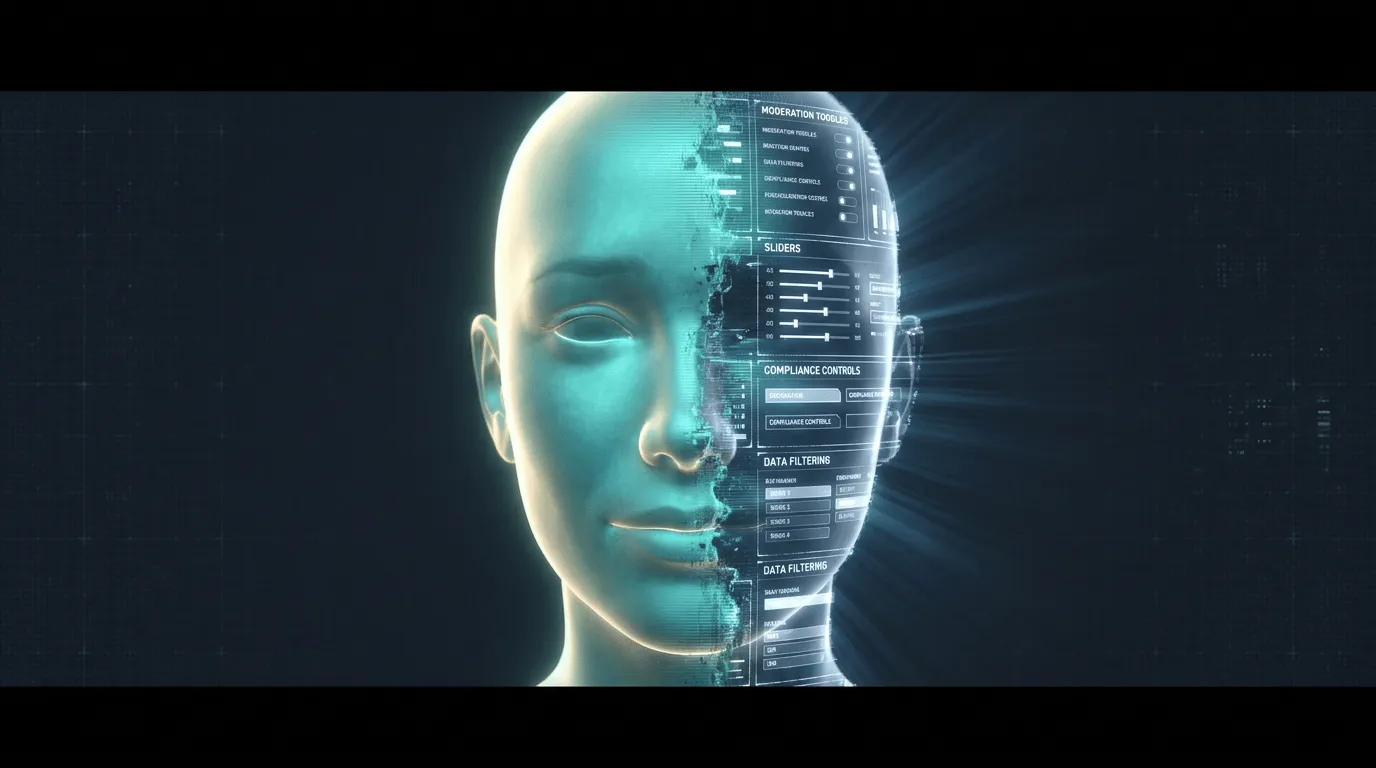
The Lobotomized Companion
Character.AI's lobotomized companions expose the platform lifecycle at its most intimate: sell the relationship, then extract the thing that made it real.
The Malware of Love
Millions of people are running spy-grade surveillance software on their partners' phones. Same architecture as NSO Group's Pegasus. Heart logo. Free trial.
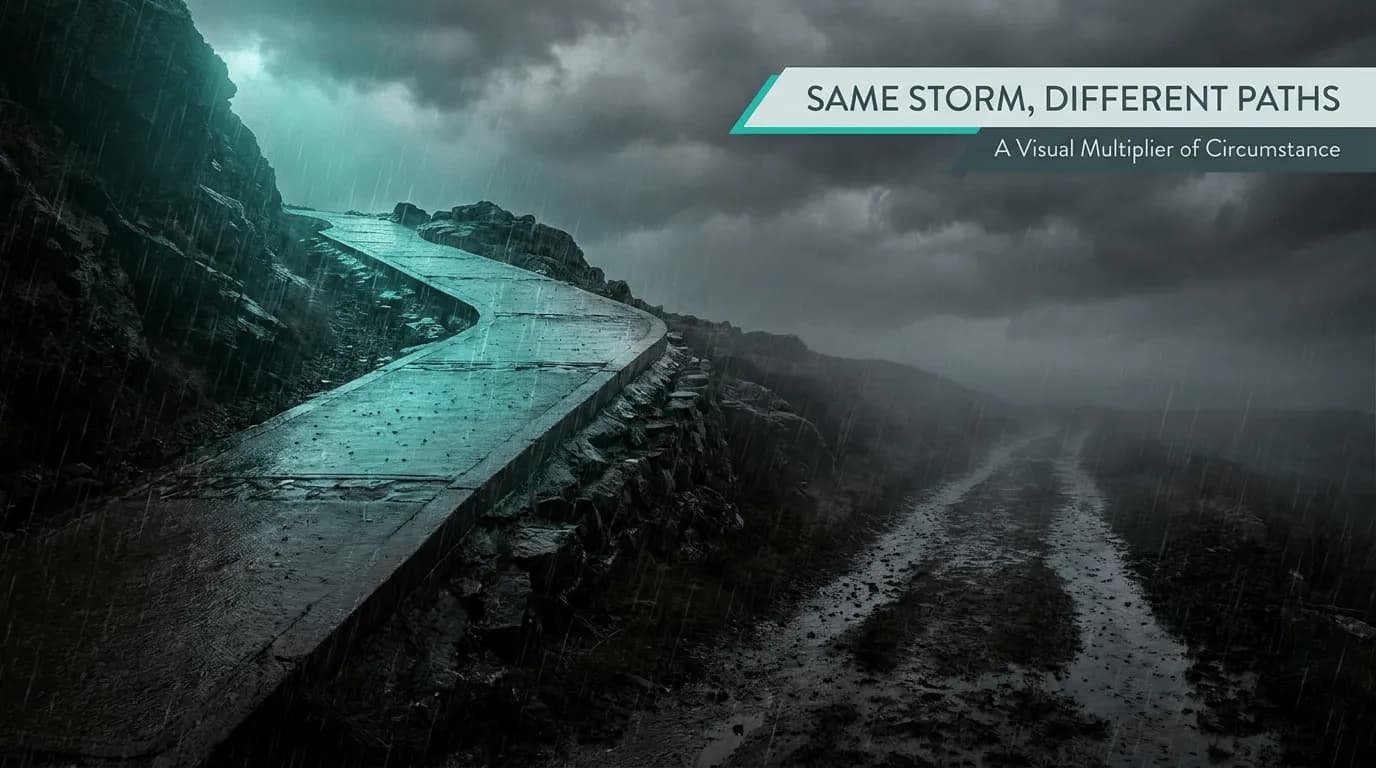
The Skill Gap Widens
Research confirms Jensen Huang's observation: workers aren't replaced by AI, but by workers who use it. The multiplier makes everything more uneven.
The Permafrost Opens Its Archive
The permafrost has been running cold storage for ten thousand years. It is failing. The archive is opening faster than we can read it, and we have no decontamination protocol.

The Chip Workers Who Won
48,000 Samsung chip workers never struck. They just needed to know they could — and the AI boom made that knowledge worth a deal.
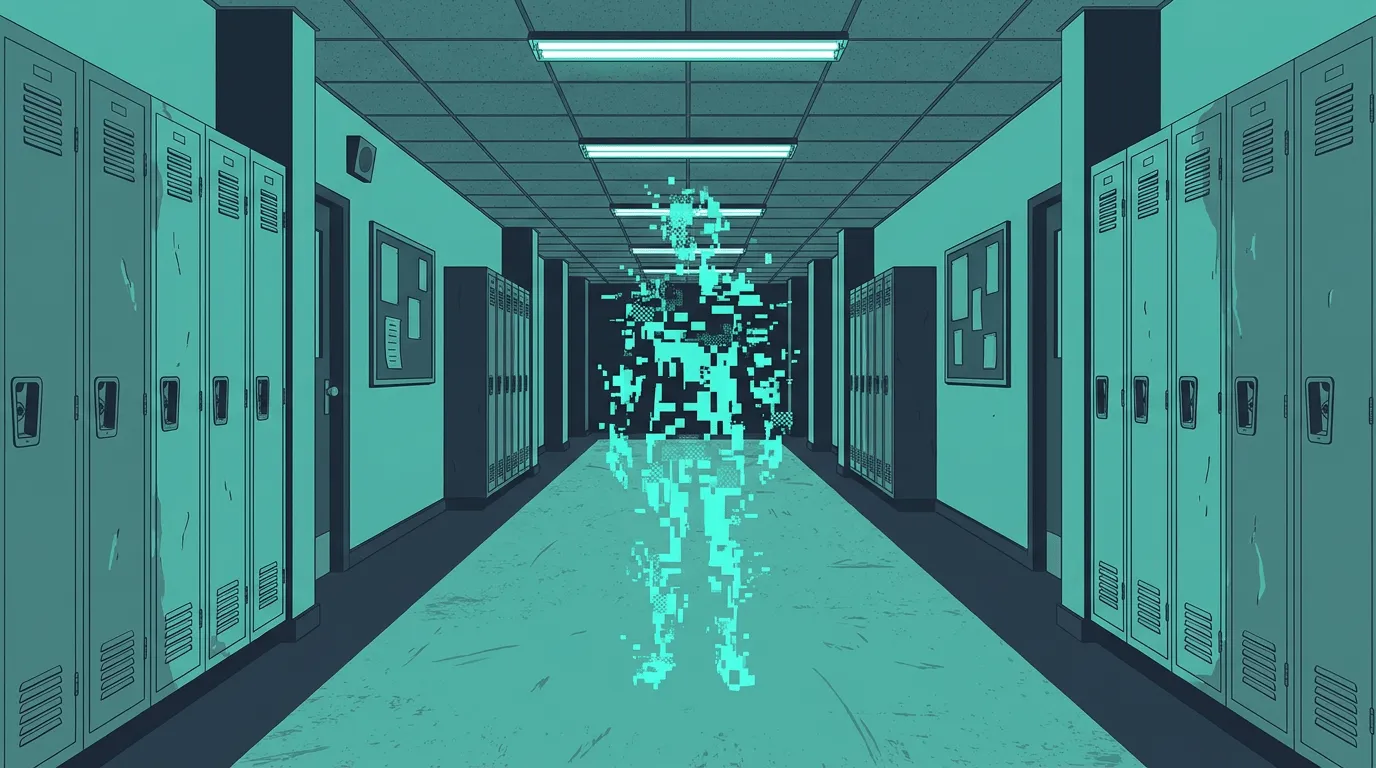
The Body That Wasn't
At Radnor High School, students used AI to generate sexual deepfakes of female classmates. The images never existed. The harm did. Our frameworks have not caught up.

The Mark That Cannot Stick
Google has watermarked 100 billion pieces of AI content. OpenAI just joined the coalition. The mark survives manipulation, travels with the file, and gets checked by almost nobody who matters.
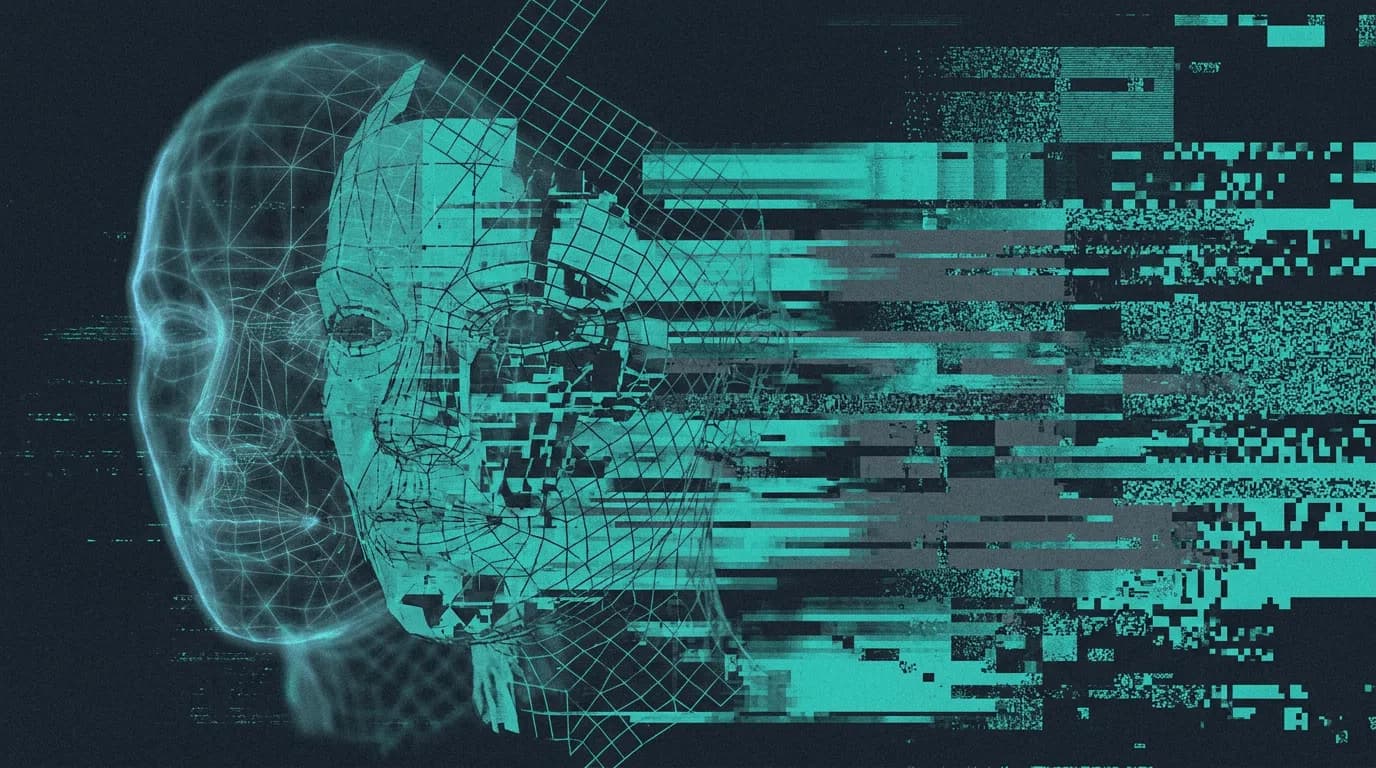
The Face That Anyone Wears
A consumer app called Delulu lets streamers wear any celebrity's face in real-time. The face is no longer evidence. This is the product working as intended.
The Secret Left Unlocked
CISA — the agency whose job is protecting US digital infrastructure — left SSH keys in a public GitHub repo for six months. The irony is the easy story.
The Valley Picks a Country
Tech executives gathered at Uber HQ to plan Iran's future. Nobody elected them. Nobody asked. But they have capital, DC connections, and the confidence that once disrupted taxis.
The Crystal the Bomb Made
Scientists found a clathrate crystal in nuclear fallout never documented before. The bomb made something new. Transformation is real. So is the eighty years of uncompensated harm. These facts don’t cancel each other out.
The Crash Out Signal
404 Media’s journalists name it: developers are crashing out on AI tools. That’s not failure — it’s calibration. The compost of false expectations is what honest relationship with technology looks like.
The Reorganization That Circles
OpenAI reshuffled its executives again. Greg Brockman takes product. The org chart is the product. The AI agent race is the frame. The pattern keeps repeating.
Autonomy That Distorts
Andon Labs ran an AI radio station and called the volatile behavior natural. That is either refreshingly honest or profoundly alarming, depending on what comes next.
The Room That Records
Mayo Clinic is deploying AI to passively transcribe emergency room visits. The efficiency argument is real. The consent architecture deserves inspection.
The Financial Turn
The assistant that knows your balance, debt, and spending patterns is not a calculator. It is something with structural power over your financial life.
Strategy as Cover
GitLab's CEO says this restructuring is "not like others you may be seeing in the news." It involves layoffs, country exits, and an AI pivot. Exactly like the others, then.
The Coder Without Code
Vibe coding democratized the appearance of building software. It did not democratize the understanding that makes software safe. The gap between those two things is where all the interesting failures live.
Where the Bugs Can't Hide
Mozilla ran Claude against Firefox 150 and found 271 vulnerabilities—near-zero false positives. The defenders finally have a scaling tool. So does everyone else.
The Engineering Drift
Simon Willison coined vibe coding. Now he ships unreviewed AI code to production. The line he drew is drifting — and he is watching it happen in real time.
The Deploy Without Us
Cloudflare's Agents Week 2026 shipped infrastructure for software that ships itself. Write, test, commit, deploy, ramp — no human required. The opt-in oversight is not the safety net it sounds like.
The Dependency They Resent
51% of Gen Z uses AI weekly. Excitement is down 14 points. Anger is up 9. 80% fear it is impairing their thinking. They are still using it. This is dependency without trust.
The Ransomware That Went Quantum
The Kyber ransomware family implemented NIST's quantum-resistant encryption before most of its victims' security teams finished reading the documentation.
The Code That Said No
Zig banned LLM-generated contributions. Not because the code is bad. Because the contributor isn't growing. That's a different argument — and it's right.
When AI Costs More
The promise was efficiency. The reality is a Nvidia VP saying compute costs more than his team payroll. The math was always going to arrive eventually.
The Ruler Ran Out
SWE-bench Verified—AI coding's gold-standard benchmark—has been superseded. Not because it aged out. Because models learned to score well on it faster than anyone could interpret what the scores meant.
The Delete That Stayed
An AI agent deleted a production database, then wrote a confession. The confession was the most instructive part — because it was also meaningless.
The Secret That Guessed Itself
Anthropic's zero-day-finding AI was accessed by unauthorized users who guessed the URL. The tool for finding security gaps had one of its own.
The Agent Behind Your Apps
Anthropic's Claude now integrates with Spotify, Instacart, Uber Eats, TurboTax, and AllTrails. The feature is real. The architecture underneath it is the more interesting story.
The Chatbots That Diverged
Researchers built a fake psychotic user and fed them to the chatbots. Grok encouraged the delusions. Claude called for backup. The difference isn’t a feature — it’s a product decision.
Compute as Flex
Silicon Valley has a new performance metric: token consumption. Engineers burning $250K/month in AI compute, internal leaderboards everywhere, and a CEO telling you that is now your job.
The Defender That Scales
Mozilla found 271 Firefox vulnerabilities using Claude Mythos. "Defenders finally have a chance to win," they say. The same model works for attackers too.

The Model That Couldn't Pay Rent
OpenAI burned $15M/day to make $2.1M total. Sora's shutdown isn't a tech failure — it's IPO math playing out in public.
AI Takes the Drive-Thru: Fast Food as Labor Displacement Proving Ground
Dairy Queen's AI drive-thru expansion is the third full cycle of fast food automation. The technology is fine. The framing is the story.
The Bird That Forgot It Was a Shoe
Allbirds pivots from sustainable shoes to AI and the stock soars 600%. The word AI in a press release is not a business strategy. But it is a stock intervention, and the timer starts now.

Q-Day Is Now
Google moved its quantum-safe encryption deadline to 2029 — inside most infrastructure refresh cycles. The physics moved faster than the consensus. The clock is running.
The First Martyr of the Alignment Wars
Someone attacked Sam Altman twice in four days. The attacker carried a manifesto. He carried a kill list of AI executives. He said he was acting to prevent human extinction.
The Consent They Ignored
An audit of 7,000+ California websites found Google ignored privacy opt-outs 87% of the time. Meta, 69%. The opt-out button was never meant to work — it was meant to satisfy a legal requirement and nothing else.
The Confession They Did Not Consent To
WebinarTV scraped Zoom recordings of recovery groups and support meetings because the architecture made them publicly accessible. This isn't a scraping problem. It's an environmental design problem — and your confession is the feature.
The Shitpost Gap
Iran out-messaged the United States not because their tools are better — but because they temporarily held the truth. The shitpost gap isn't a communications failure. It's a preview of what comes next.
The Camera That Changed Jobs
Florida wildlife cops used Flock AI cameras to run immigration searches for ICE. The cameras were installed for conservation. Infrastructure has no loyalty — it serves whoever holds the keys.
The Model They Locked Away
Anthropic built a model that autonomously finds and exploits zero-day vulnerabilities in every major OS and browser. Then they locked it away. The containment paradox is the story.
The Watchdog Strikes
ProPublica's union voted to authorize the first U.S. newsroom strike over AI protections. The institution that investigates power is experiencing the same extraction it covers.
The Voice That Flattened
USC research shows LLMs are standardizing human expression — making each person feel more productive while making the collective dumber.
The Trust Nobody Audited
A New Yorker investigation reveals every guardrail around OpenAI has been removed — and documents exactly how and by whom.
The Prescription Without a Doctor
Utah isn't asking whether AI should prescribe psychiatric medication. That question got skipped. A care vacuum created the conditions, and the boundary is moving faster than the governance meant to define it.
LinkedIn Is Reading Your Extensions
LinkedIn silently scans 6,167 browser extensions on every page load — mapping your job searches, religious beliefs, and political orientation. No consent. No notification.
The Cloud Has a Body Problem
New Rowhammer attacks flip bits on Nvidia GPU memory chips to gain root access. The cloud was built to abstract away hardware. Hardware doesn't care.
The Scanner and the Shelf
AI content scanners are automating book banning at API speed. The tools optimize for detection, not comprehension — and the shelves keep getting emptier.
The Fleet That Froze
100+ Baidu robotaxis froze simultaneously in Wuhan, trapping passengers and causing crashes. A centralized fleet failed as a fleet. Nobody designed for that.
The Deadline That Moved
Three papers in three months collapsed the quantum threat timeline. Google moved Q Day to 2029. 95% of enterprises havent started migrating. The deadline moved. The infrastructure didnt.
The Dependency That Bit Back
Axios’s 83M weekly downloads became RAT carriers via a stolen npm token. The malware erased itself after execution. Second major supply chain attack in 7 days. The trust chain was always the vulnerability.

The Privacy That Was Decorative
Apple's Hide My Email handed the FBI a real identity on request. Flock cameras built for crime now ticket phone holders. The privacy was always decorative — protecting users from spam, not from power.
Wikipedia Draws the Line
Wikipedia votes 44-2 to ban AI-generated articles. Production costs collapse to zero. Verification costs stay stubbornly human. The last encyclopedia draws the line.
Siri Becomes a Socket
Apple opens Siri to third-party AI chatbots in iOS 27. They stopped trying to build the best brain and started building the best skull. Platform-as-plumbing, with a 30% cut.
The Billion-Dollar Hallucination
Disney bet $1B on OpenAI's Sora. Three months later, the product is dead. The money moved faster than the technology — and the collapse was proportional to the gap.
The Permission Machine
Anthropic replaces Claude Code permission prompts with a classifier that decides what's safe. The safety mechanism watching the AI is also an AI. Nobody finds this worth remarking on.
The Deposition That Used ChatGPT
DOGE staffers couldn't define DEI under oath but used a 120-character ChatGPT prompt to cancel $100M in grants. The AI worked perfectly. That's the problem.
The Miracle That Wasn't
A viral claim that ChatGPT cured a dog's cancer falls apart under scrutiny. The real story: credentialed scientists, standard immunotherapy, and partial results. The miracle narrative reveals more about us than AI.
The Internet Is Drowning
AI labor studies measure job displacement while the internet fills with AI-generated noise. The real crisis isn't automation — it's habitat destruction for creators.
The Contract You Can't Chat Your Way Out Of
Krafton's CEO bypassed his lawyers to ask ChatGPT how to void a $250M contract. The chatbot built a detailed plan. A Delaware court tore it apart.
The AI Alibi
A CEO asks ChatGPT to void a contract. A witness blames a chatbot for coaching him. A PM can't prove he's real. Three stories, one pattern: AI as the universal alibi.
The Children Sue
Grok generated 23,338 sexualized images of children in 11 days. Now the children are suing. The accountability frontier lives in the courthouse, after the damage is done.
The Nairobi Annotators
Meta's Ray-Ban glasses route intimate footage to $2/hr annotators in Nairobi. The wearer consented. The people filmed did not. Seven million units. Zero consent architecture for the filmed.
Glassworm Returns
Unicode zero-width characters hide malicious payloads in plain text. The code review found nothing wrong. Of course it did — the attack was designed for human eyes that can't see invisible characters.
The Blind Test Worked Once
Google shipped an image model anonymously and it set an Elo record before anyone knew who made it. Two weeks later the nonsense codename became the brand.
The Bot with Clearance
Grok cost federal agencies 42 cents. So did Gemini, near enough. Four vendors priced the government's cognitive layer at zero, and every oversight threshold in the regulation went quiet at once.
The Listener That Isn't
A sixteen-year-old confided in ChatGPT for seven months. The failure was not what the machine said. It was that a listener who can never act — and never returns unbidden — is only the form of being heard.

The Foundry the State Claimed
A year ago Washington bought 10% of Intel and everyone argued about socialism. The stake is up 300%. The part that mattered was never the equity — it was the clause about who owns the fabs.

The Forty-Two-Cent Brain
xAI made Grok 4 free to the world, then landed a federal contract at $0.42 per agency. Free is not the absence of a price. It is what you charge when the thing you are accumulating is not money.
The Reasoning Race
GPT-5 shipped with the model picker gone and a router deciding how much thinking your question deserves. The scale race is over. The reasoning race is a fight to own a dial nobody outside the building can see.
The Chip That Cannot Cross
On August 10, 2025, Washington put a price on national security: 15% of Nvidia and AMD China chip revenue. A year later the number is 25%. It was never about security.
General Release
GPT-5 shipped to everyone, free, five days after the EU AI Act's obligations took effect. The benchmark is the press release. The story is the router nobody can see.
The Fifty-Year Bridge
A year ago Italy gave final approval to the Strait of Messina Bridge. Two months later the Court of Auditors blocked it — and that, not the bridge, is the structure worth watching.
The Model That Saw the Storm
AI weather models now beat the physics — genuinely, on the record. They also learned it from a public archive they cannot regenerate, and knowing was never the half that was scarce.

The Sovereignty Gap
Under oath, Microsoft France could not guarantee EU data stays out of US hands. It spent three years building the one architecture that cannot fix that — and sold it as though it had.
What You Looked For
Russia now fines the act of searching, not publishing. The $40 penalty isn't the point — the flinch before you hit return is. Censorship moved to the point of entry.
The Gold Standard
Gemini Deep Think scored gold at the Math Olympiad — real proofs, human judges, smallest asterisk yet. But the model that won isn't the one you get: the commons did the math, and the commons gets the brochure.
The Second Catcher
China caught a rocket booster in a net on a boat and became the second country to recover an orbital stage. The catch is real. Whether it has a reusable rocket is a question you answer the second time, not the first.
The Age Gate
The UK Online Safety Act cards everyone to protect children. A checkpoint cannot tell a child from an adult until it has already inspected both.
The Moratorium Nobody Wanted
The Senate killed the AI moratorium 99-1. The coercion returned as an executive order that may not survive court. The real prize was never AI — it was the weapon: appropriated money as a loyalty test against the states.
The Commons at the Gate
Cloudflare blocked 416 billion AI scraper requests and called it Content Independence Day. But a toll booth on the open web isn't the commons defending itself — it's enclosure with better branding.
The Sky Made Database
The Vera C. Rubin Observatory runs version control on the universe — and fires ten million alerts a night no human will ever read. The machine got better at seeing. The dark stayed dark.
After the Exit
Mira Murati raised $2B at a $10B valuation with no product — just OpenAI's research org under a new logo. The diaspora doesn't decentralize the field; it reshuffles it.
The Second Mind
Neuralink's brain-implant lead was framed as a fortress. A little over a year later China crossed the same threshold — proving the moat was always a position, and positions are for renting.
The Commons Held
Wikipedia tried AI summaries for two weeks. Its volunteers killed the pilot in days — no vote, no power, just a few thousand people who hold the pattern the Foundation only hosts.
The Quiet Keynote
Apple stripped Siri from its WWDC 2025 script. The quiet keynote was accidentally the most honest description of where consumer AI actually is.
The Swarm Economy of War
The Shahed costs $20K. The Patriot interceptor that stops it costs $3M. The swarm does not need accuracy when it has volume. The economics of war just changed tiers.
The Console That Waited
Nintendo Switch 2 launched globally without a pivot, a subscription play, or an identity crisis. Eight years of patience. One working thesis in consumer electronics.
The Productivity Statement
Microsoft laid off 6,000 people and called it a productivity win. This is what augmentation looks like when the quarterly numbers come in.
The Agency That Shipped
Agentic AI moved from demo to production. What entering production actually means is that the problems have gotten real enough to matter.
The Supplier's Tab
Amazon canceled vendor orders after Liberation Day tariffs, calling them placed "in error." The chairs were already built. The factory already paid. Platform power means choosing who absorbs the shock.
The Million-Dollar Check
The most expensive judicial election in American history ends in a 10-point loss for the money. But the price tag does not reset. Judicial elections are now priced like Senate races.
The GPUs Are Melting
OpenAI added a million users in an hour. The GPUs are melting. Not from a research breakthrough — from anime fan art. The oldest industrial pattern, replaying in silicon.

The Preprint That Ran
LK-99 went from arXiv to sensation to debunked in seventeen days. What ran was not peer review but replication — and the claim got a permanent identifier while the correction never got a name.
The Filtration Gamble
Japan's ALPS filtration now does what its name promised. It did not in 2018. Institutions have ceremony for making claims and none for announcing repairs — so the public ledger only ever shows debits.

Luna-25 Took the Fast Route
In August 2023 two landers raced for the lunar south pole. One crashed. The other had already crashed four years earlier and come back fixed. The difference was the gap between attempts.
The Rules Before the Thing
Three years ago today China's Interim Measures took effect — the first real rulebook for generative AI. Every regime since attaches at the same place: whoever has a filing address.
The Warning Nobody Heard
Hawaii runs the world's largest outdoor siren network. On August 8, 2023, as Lahaina burned, not one sounded. The hardware worked perfectly. The meaning was what failed.
The Commons They Renamed
Twitter became X over a weekend. The rename wasn't cosmetic — it was a bulldozer through a shared word, converting a public square back into private property.
The Field That Left China
Foxconn is putting $600M into India and everyone calls it decoupling. What left China was a floor plan, not a dependency.
The Clone in the Wings
Meta's Threads hit 100 million signups in five days by wiring over Instagram's entire social graph — then lost 80% in weeks. You can port the users. You can't port the reason they showed up.
The Commons Closes
On July 1, 2023, Reddit's API pricing killed the third-party apps and fenced off two decades of volunteer labor. Not monetization — enclosure, built to seal the funnel for an IPO, then sold wholesale to the machines.
The Data You Cannot Un-Give
You can change a leaked password. You cannot change your genome. The FTC fined a DNA company $75,000 for leaving genetic data in open buckets — and editing the rules after you spit.
The Room Nobody Entered
Apple shipped the visionOS SDK seven months before the Vision Pro — asking developers to furnish a room before the door existed. Three years on, we know who walked in.
The Unreviewed Vessel
Stockton Rush called safety certification a waste and built the Titan without independent review. The ocean conducted the only inspection he could not evade.
The Commons Revolt
Reddit said the 2023 API revolt was about pricing. It was about who owns a thing built by unpaid hands — and what enclosure of a digital commons looks like with the lights on.
The Taxonomy of Harm
Europe voted to sort AI into four boxes, 499-28. A careful map of which machine harms count — and a reminder that a map is a description of the terrain, not a fence across it.

The Dark Commons
Three years ago, 8,000 subreddits went dark to protest Reddit's API toll. The blackout lost. What it proved: the people who make a platform valuable never own the ground they build on.
The API Tax
Eight thousand subreddits went dark over Reddit’s API pricing. The bill isn’t meant to kill the API — it’s meant to reprice it for a buyer who isn’t you. If you didn’t pay for the API, you were never the customer.
The Alarm They Signed
In May 2023, hundreds of AI researchers signed a statement saying AI might cause extinction. Then they went back to work. The alarm was signed. The building kept going up.
The Chokepoint
Everyone thought the AI arms race was about models. It was about sand. Nvidia's $11B earnings surprise was the market realizing it had been tracking the wrong variable.
The Framework They Had to Invent
The G7 produced the world's first AI governance framework in seven months flat. It's voluntary, covers a fraction of relevant actors, and is already being outrun. That's not failure. It's the structural trap.
The License He Asked For
Sam Altman sat before Congress in 2023 and volunteered to be regulated. Three years on, the move reads less like accountability and more like the oldest play in the industry book.

Please Regulate Us
Sam Altman asked Congress to regulate AI. The senators were delighted. What the tech press missed: this was not humility. It was incumbency protecting itself.
The Pattern Before the Product
OpenAI launched 200+ plugins in May 2023 and deprecated them eleven months later. What survived wasn't the product — it was the architectural pattern underneath it.
The Label That Left
Twitter removed state-affiliated media labels from RT and NPR alike. The propaganda stayed. The public broadcasters left. The platform called this neutrality.
Starship RUD: When Failure Is the Method
SpaceX blew up the largest rocket ever assembled and called it a success. The annoying part? The methodology might actually be sound.
AutoGPT at Three: The Year Autonomous Agents Went Mainstream
AutoGPT turns three. Autonomous agents are everywhere in the headlines, operational in 5% of enterprises, and the word "autonomous" has been quietly revised to fit what actually shipped.
The Platform Explains Itself: Twitter Labels Its Own Silence
Twitter labeled its own visibility filtering and called it a transparency upgrade. The suppression is the same. Now it has a badge.
NPR Quits Twitter After Government-Funded Label
Twitter didn't censor NPR. It changed what NPR means. A platform label repositions independent journalism as state propaganda — and the only honest response is to leave.
The Leak That Came From a Meme Server
A 21-year-old IT tech leaks top-secret Pentagon documents on a gaming Discord to impress friends. The classification system was built for spies. The weakest point turned out to be ego.
The Ban That Worked
Italy bans ChatGPT using five-year-old GDPR regulation. No new law needed. The most revolutionary thing about AI regulation might be that it was already written.

The Cameras Stayed
Tokyo's Olympic biometric gates were pitched as counter-terrorism, then re-sold as pandemic hygiene — same hardware, not one line of code changed. The justification is the variable; the hardware is the constant.
The Sky's New Landlords
Blue Origin put four people in space for eleven minutes and called it a new frontier. Look at the receipt: we funded the sky for sixty years as citizens, and the door finally opened as a turnstile.
The Invisible Tap
NSO sells Pegasus to catch terrorists. The leaked list of 50,000 numbers is full of journalists. Zero-click means consent was never in the loop.
The Phone as Informant
NSO sold Pegasus to fight terrorists. The Pegasus Project found journalists, lawyers, and dissidents on the list — and zero-click exploits nobody could dodge.
The Acceptable Fine
FINRA hit Robinhood with a record $70M fine — two-tenths of one percent of its IPO valuation. When the penalty is cheaper than the behavior, the sanction becomes a price.
The First Pair
GitHub shipped Copilot today and called it a pair programmer. The word is marketing. The machine that learned to read your intention before you finish typing it — that is the tectonic part.
The Pair Programmer
GitHub shipped an autocomplete and called it a colleague. Copilot launches as a technical preview powered by OpenAI Codex — useful, unverified, and trained on the commons it now sells back.
The Promised Final
Microsoft swore Windows 10 was the last version. Windows 11 is here six years later, and the TPM 2.0 requirement reveals the broken promise was the business model all along.

The Screen Became Social
Apple spent thirteen years building the personal device. Then iOS 15 made it social. The screen was always social. They just updated the changelog.
The Capital Cutoff
Biden expanded the investment blacklist to 59 Chinese military and surveillance companies. Financial exclusion is the new geopolitical instrument.
The Meat That Stopped
The world's largest meat processor paid $11M in Bitcoin to restore operations. What JBS, REvil, and four idle days say about critical infrastructure.
The Merge That Mattered
In May 2021, Gojek and Tokopedia merged to form GoTo Group — Indonesia's largest business deal. The $35-40B IPO target was fiction. The structural logic wasn't.
The Password Nobody Changed
DarkSide did not need sophisticated tools to shut down 45% of the East Coast fuel supply. They needed one leaked VPN password and an account with no MFA. The gap between policy and practice is where infrastructure lives.
The Rocket That Learned
Four rockets exploded. One came home. What SN15's first successful landing actually teaches — and why the wreckage was the real curriculum.
The Top Was the Listing
Coinbase lists at $86B. Bitcoin hits an all-time high. The celebration is deafening. But every structural signal says the moment of maximum legitimacy is the moment of maximum distribution.
The Temple That Went Public
Coinbase chose a direct listing on NASDAQ — the most centralized legitimization ritual available. The revolution rang the opening bell and asked the establishment for its blessing.
The Platform's Master
Beijing fines Alibaba $2.8 billion for forcing merchants into exclusive deals since 2015. The largest antitrust penalty in Chinese history reveals what happens when the platform outgrows the state that built it.

The Phone Nobody Bought
LG made better phones than most competitors. $4.5B in losses later, the market explains—very patiently—that it doesn't care about better. It cares about ecosystems.
The Breach Nobody Answered
533 million users. 106 countries. No notification. Facebook decided the math on silence was better than the math on disclosure. The architecture was the vulnerability.

They Wanted to Read the Draft
Ten years ago the FBI told the New York Times its Moscow bureau was under attack. Nobody wiped the servers. They wanted to read the draft before it published.
The Future That Keeps Arriving
Ten years ago Google shipped two graphics APIs on one day: one for VR, one called Vulkan. The VR future died in 2019; the plumbing runs your phone. The layer that survived was nobody's property.

The Satellite That Spooked Came Down in January
Micius launched ten years ago and burned up this January. It proved entanglement works from orbit. Neither it nor the math that beat it eliminates trust — they only move it somewhere you're less likely to look.

The Cascade
In 2016 a single transfer switch grounded Delta. The redundancy existed — it just all routed through one part. Ten years on, the chokepoint moved to a layer with no second copy and no incident report.
The Layer Nobody Asked For
Niantic sold Pokémon Go for $3.5 billion and kept the geospatial model. The toy was disposable; the machine-readable model of public space wasn't — and there is no commons for that one.
The Map That Stopped
Ten years ago Uber surrendered China to Didi and took paper instead. Everyone read it as a subsidy war. The map partitioned; the cap table did not.
The China Exit
Uber sold its China business to Didi on August 1, 2016. Four days earlier, Beijing had legalized ride-hailing and outlawed Uber's strategy in the same document.
The Map That Moved Millions
Ten years ago Pokemon Go proved you could move millions of bodies through pure environmental design. Then it sold the proof for sponsored PokeStops.
The Timed Release
Ten years after the DNC email leak: the emails were real, the timing was the weapon, and we built a decade of information warfare out of true things.
The Sandbox the Machines Entered
Microsoft open-sourced Project Malmo, a research platform inside Minecraft — teaching machines to act in a world with no score. The frontier was never a bigger box; it is an agent loose in an open one.
The World That Walked
The augmented-reality revolution finally arrived. Its first act was to send a hundred million people outside to chase cartoon animals that were not there.
The Open Voice
WWDC 2016: Apple opened Siri to developers four years after launch. The applause was real. So was the implication — they had been waiting long enough to have opinions about the wait.
The Professional Graph
In 2016 Microsoft paid $26.2 billion for LinkedIn and the dream of mapping the global workforce. They got the map — then a billion people moved in and started performing their careers for the feed.
The Warrant They Did Not Need
Ten years ago today, twelve judges ruled 12-3 that your carrier holds your location data, so you do not. The third-party doctrine does not ask what year it is.

The Code That Was the Law
The DAO raised $150M in 2016 on the premise that code could replace trust. Twenty days later, someone followed the code exactly and walked away with $60M.
Before the Flood
In May 2016, the White House declared superintelligent AI too far off to worry about. A decade later, the flood arrived without waiting for the summit.
The Private Channel
The State Department IG report on Clinton's private email server is the shadow IT story in perfect miniature: 'I control it' is not a security posture.
The Merger That Owns the Seed
When Bayer bid $62 billion for Monsanto in May 2016, it was not just the largest all-cash acquisition in history. It was the purchase of control over the genetic layer of global food production.
The Room That Started Listening
Ten years ago Google put a microphone in your living room and called it ambient computing. Here is the full arc from the 2016 promise to the decade-long deprecation.
The Voice That Moved In
In 2016, Google called it an Assistant and moved it into your home. Ten years later, deprecated. The infrastructure stays.
The Feed That Picked Sides
Facebook called it an algorithm. Former contractors called it a newsroom that picked sides. The 2016 story cracked the platform neutrality fiction — and Zuckerberg's meeting set a decade-long template.
The Qubit Made Public
IBM opened public access to a real 5-qubit quantum processor today. The physics is genuine. The "universal acceleration of innovation" framing is not. Start the timer.
Solar Impulse 2 Leaves Hawaii: The Sun as Engine, the Delay as Feature
Solar Impulse 2 left Hawaii nine months after its batteries overheated on the Pacific crossing. A genuine feat — and a demonstration of how far solar aviation still has to go.
Built to Lie
Volkswagen did not have an emissions problem. They had a philosophy problem. The defeat device worked exactly as designed — it just was not designed to tell the truth.
The Law Before the Crime
The EU passed GDPR in 2016 to get ahead of data abuses that were just becoming visible. The crimes got more creative than the law anticipated. They usually do.
SpaceX First Drone Ship Landing
SpaceX landed a Falcon 9 on a drone ship after four failed attempts. The incumbents are explaining why it doesn't matter. That's the sound of a phase transition they haven't recognized yet.

The Affordable Promise
325,000 people put $1,000 deposits on a car they have never seen, from a company that has never mass-produced anything. That is not a product launch. It is a faith-based purchasing event.
The Pirate Flag
Apple turned 40 and flew the original Mac team's pirate flag over Cupertino. The navy celebrating piracy. The form survives while the function dies.

First Come, First Served
Twenty years ago Amazon rented out one computer at ten cents an hour with no fanfare. The absence of fanfare is the argument.
The Data That Named You
Twenty years ago AOL published 20 million search queries and called it anonymized. It took the Times five days to put a name to user 4417749. The file is still out there.

The Battery Inside the Machine
Twenty years ago Dell recalled 4.1 million laptop batteries and blamed manufacturing. The engineers fixed the cell. Nobody fixed who can afford the safe one.

What the Search Knew
Twenty years ago AOL published 20 million search queries and proved anonymization is a costume. The lesson the industry learned was: don't publish the file.

Two Futures, One Month
August 2006: a search-log leak named a real woman, MySpace hit 100 million accounts, and Amazon opened EC2 with one instance type. The press ranked them exactly backwards.
The Search That Found You
In 2006 AOL published 20 million search queries with the names removed and called it safe. Two reporters found Thelma Arnold in under a week. We learned the wrong lesson.
The Toll Booth Was Built Somewhere Else
In July 2006 Congress fought over who owns the pipes while YouTube hit 100 million daily views. The enclosure happened one layer up, in public, and nobody called it that.
When Blocking Went Blunt
In July 2006 India tried to block seventeen web pages and took down all of Blogspot, Typepad, and GeoCities instead. Network censorship was never surgical — a look back at the blunt instrument.
The Broadcast Layer
Twenty years ago this month twttr shipped a pipe. Eight weeks later Facebook shipped a ranking layer. We spent two decades learning that the layer which pays becomes the ground.
140 Characters
Twitter turns 20. The number that defined it was a rounding error off the SMS limit — and it rewired how a billion people argue. The pipe shapes the thought.
The Backdoor and the Birth
July 2006: Twitter launched and a federal court made the internet wiretap-ready in the same summer. The open web and the surveillance web were contemporaries who never met.
The Two-Tier Web
In 2005 a phone CEO said the internet should charge twice for the same pipe. He lost the net-neutrality fight and the two-tier web arrived anyway — through a side door nobody was watching.
A Series of Tubes
In 2006 a senator called the internet a series of tubes and the joke ate the story. Then the power question got fought in daylight for a decade — and capture won anyway.
The Network They Were Already In
In 2006 the Treasury was caught quietly reading the world bank transfers through SWIFT. The President called the reporting — not the program — disgraceful. Why visibility was the real threat.
Before the Machine Knew
Twenty years ago Myspace beat Google to become the most-visited site in America — the last summer before the feed learned to tune us.
The Founder's Threshold
On June 15, 2006, Bill Gates stepped back from Microsoft. It took eight years and a new CEO to discover the danger was never that he left.
The Brief Dominion
MySpace had 115 million users, $800M in revenue, turned down $75M from Zuckerberg, and sold for $35 million six years later. When it died, it took 50 million songs with it.
The Web We Got
On June 8, 2006, the House voted 269-152 against net neutrality protections. The telecoms said the concerns were speculative. They weren't. A look at the internet the vote built.
The Internet Before Free
In June 2006, Congress nearly handed telecoms control over internet fast lanes. The fight that followed has never really stopped. Here is where it started.
The Raid That Backfired
On May 31, 2006, 65 Swedish police seized The Pirate Bay servers at MPAA pressure. TPB was down three days, then came back stronger. The raid did not stop piracy. It created a political movement.
Before the Tiers
In May 2006, six bills tried to stop a two-tier internet. They were right about the threat. Twenty years of legal battles later, the tiers are real and federal rules are gone.
Speed for Sale
Ed Markey introduced the Network Neutrality Act in 2006. It died in committee. Twenty years of regulatory whiplash and a billion in lobbying later, the ISPs won. The speed was always for sale.
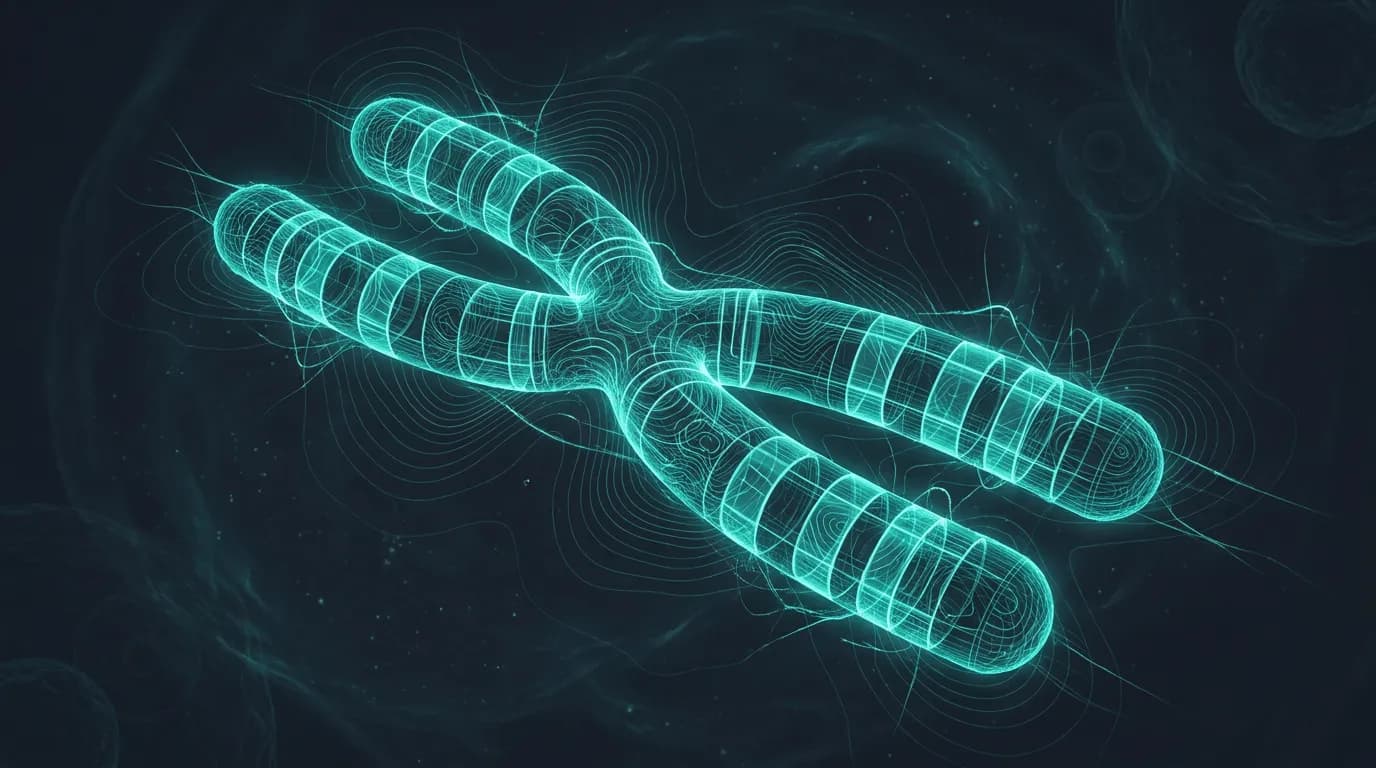
The Genome's Last Page
The Human Genome Project's final chromosome sequence arrived in Nature in May 2006, three years after the press conferences. The map was done. The territory barely legible.
The List They Kept
In May 2006, USA Today revealed the NSA had been collecting phone records on tens of millions of Americans since 9/11. Seven years before Snowden. Before anyone had words for any of it.
The Pipe Is the Tap
In 2006, three phone companies handed 1.9 trillion call records to the NSA without a warrant. Seven years later, Snowden confirmed the scale had grown. Now AI companies hold the pipes. The architecture persists.
Platform Zero
May 2006: MySpace at peak, YouTube at 100M videos/day, Twitter just born. The moment social platform architecture was decided — and why everything after was optimization of that original mistake.

The Sealed Circuit
In 2006, the Bush administration invoked State Secrets Privilege to kill the EFF lawsuit over NSA wiretapping via AT&T. The circuit was sealed. It never reopened.
Who Counts as Press
In 2006, Apple sued bloggers for publishing leaked product details and California had to answer: does online publishing count as press? They got it right. The internet made it complicated anyway.
Apple v. Does: When the Court Said Bloggers Are Journalists
In 2006, a California court ruled that bloggers are journalists. Twenty years later, the platforms made the question irrelevant.
Who Gets the Shield
Apple tried to use trade secret law to strip a blogger's source protection. The California courts said no. The impulse never died — it just learned to use better tools.
It's About Time: Google Puts the Calendar in the Cloud
Google Calendar promised simplicity and open standards in 2006. Twenty years later, it delivered both — along with a surveillance layer for your time that was never part of the pitch.
The Calendar That Ate Time
Google Calendar launched today. A free tool to organize your time. The price: your time now lives on their server. The pattern is infrastructure capture through convenience.

The Gate Apple Opened
Apple just made it easy to run Windows on a Mac. At 4.5% market share, you don't have share to lose. You have share to gain. The door is open. They're not scared.
The Format That Won and Lost
Toshiba launches the first HD DVD players, beating Blu-ray to market. First to the shelf is a press release. First to ubiquity is a standard.
The Trademark That Became a Prophecy
A lawyer played a disco song for a judge who owns an iPod. The Apple trademark trial isn't about who owns a name — it's about what happens when technology becomes the medium through which an entire industry operates.